From Utility to Ritual:
Open Network for digital commerce For Axis bank
October 2022 - August 2023
business design
user experience
wireframing
interface design
art direction
OVERVIEW
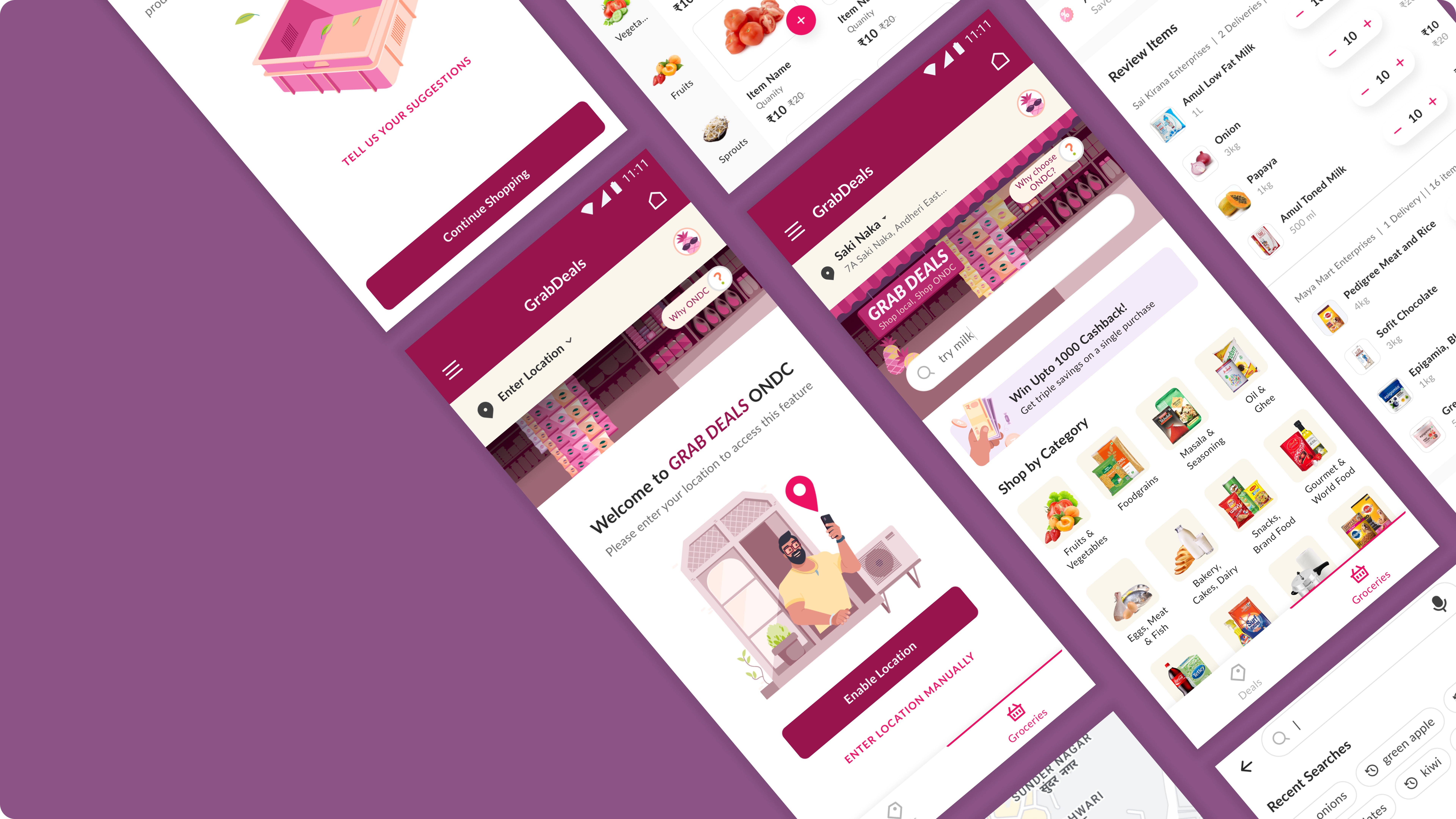
Open Network for Digital Commerce is India’s open rail for commerce. We integrated it into Axis Bank's mobile application to meet people where they already bank and turn “pay bills and leave” into a simple daily loop. Starting with Groceries as the MVP, a frequent habit loop was envisioned. The experience is intentionally very Indian; hyperlocal art direction that feels like your local corner shop; paired with clear, legible value.
My Role
End-to-end delivery: research, IA, wireframes, visual design, art direction, dev handoff, QA audits
Team
2 Designers, 10 Developers, 2 Tech PMs, 1 Business PM
IMPACT
Groceries have the potential to create weekly/daily reasons to open Axis Mobile; shifting it from a once-a-month bills app to a household habit
Supporting Local
By surfacing kiranas inside Axis Mobile, every order became a small, habitual act of Make in India; strengthening community ties and brand trust
THE BUSINESS ASK
Axis Bank x ONDC:
Why here, why now?
Weaving ONDC into the Axis Mobile Banking App would reframe our app from being a once-in-a-while-utility to daily ritual. The vision was to house groceries and daily errands alongside financial products. More reasons to drop in, more moments to cross-sell hyper-personalised Axis Bank products.
Where ONDC would live in the app
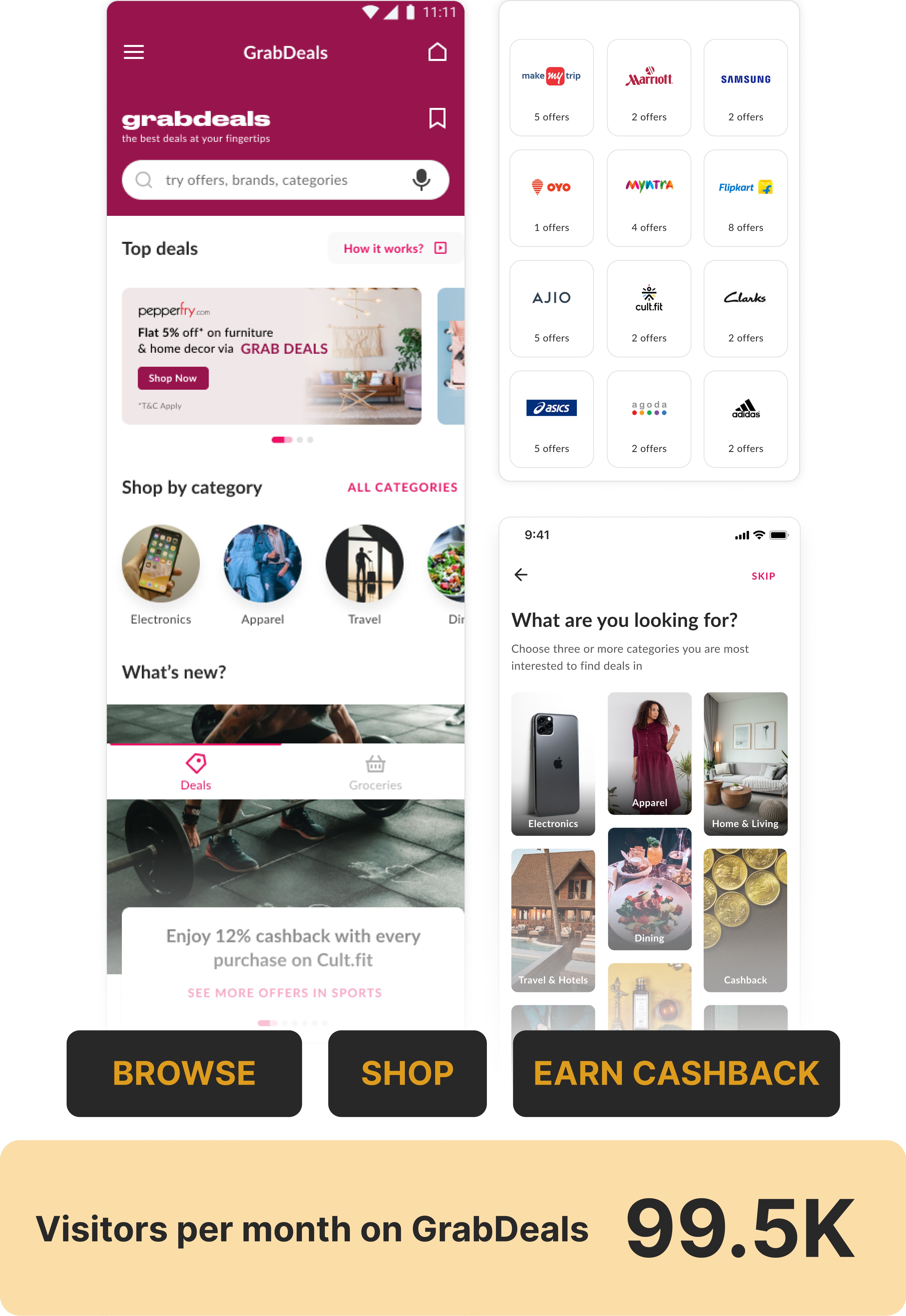
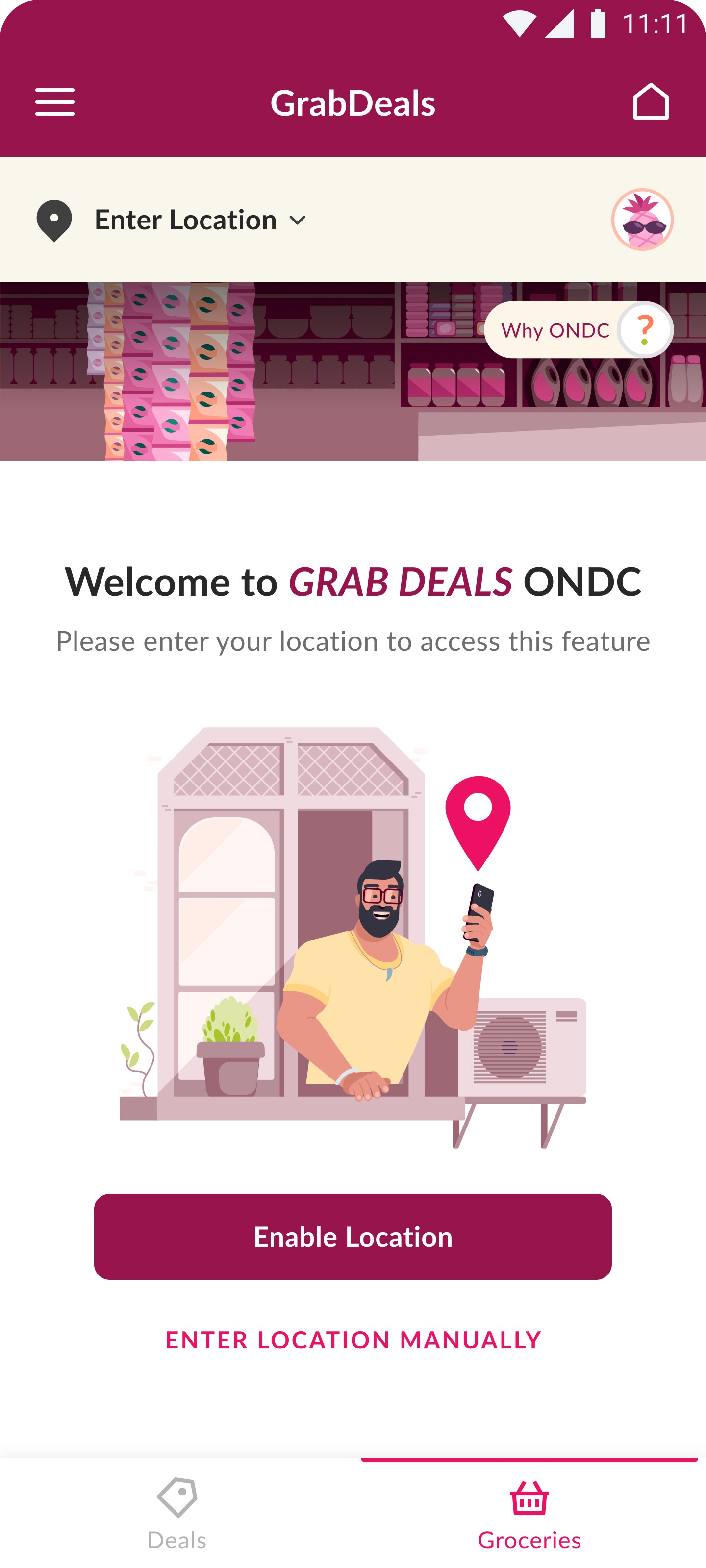
We envisioned ONDC to be nested within GrabDeals; Axis Bank’s offers hub that aggregates partner discounts for all Axis customers. GrabDeals already has prime real estate on the landing screen and is also reachable via web search, so launching ONDC here lets us build on an existing habit.
OUR MVP
Groceries, A Strategic Choice

Groceries are the highest-frequency use case, creating the weekly loop that shifts Axis Mobile from utility to ritual.
In metros where dark stores are booming, we aim to restore real choice, ethical practices and build community ties.
INFORMATION ARCHITECTURE
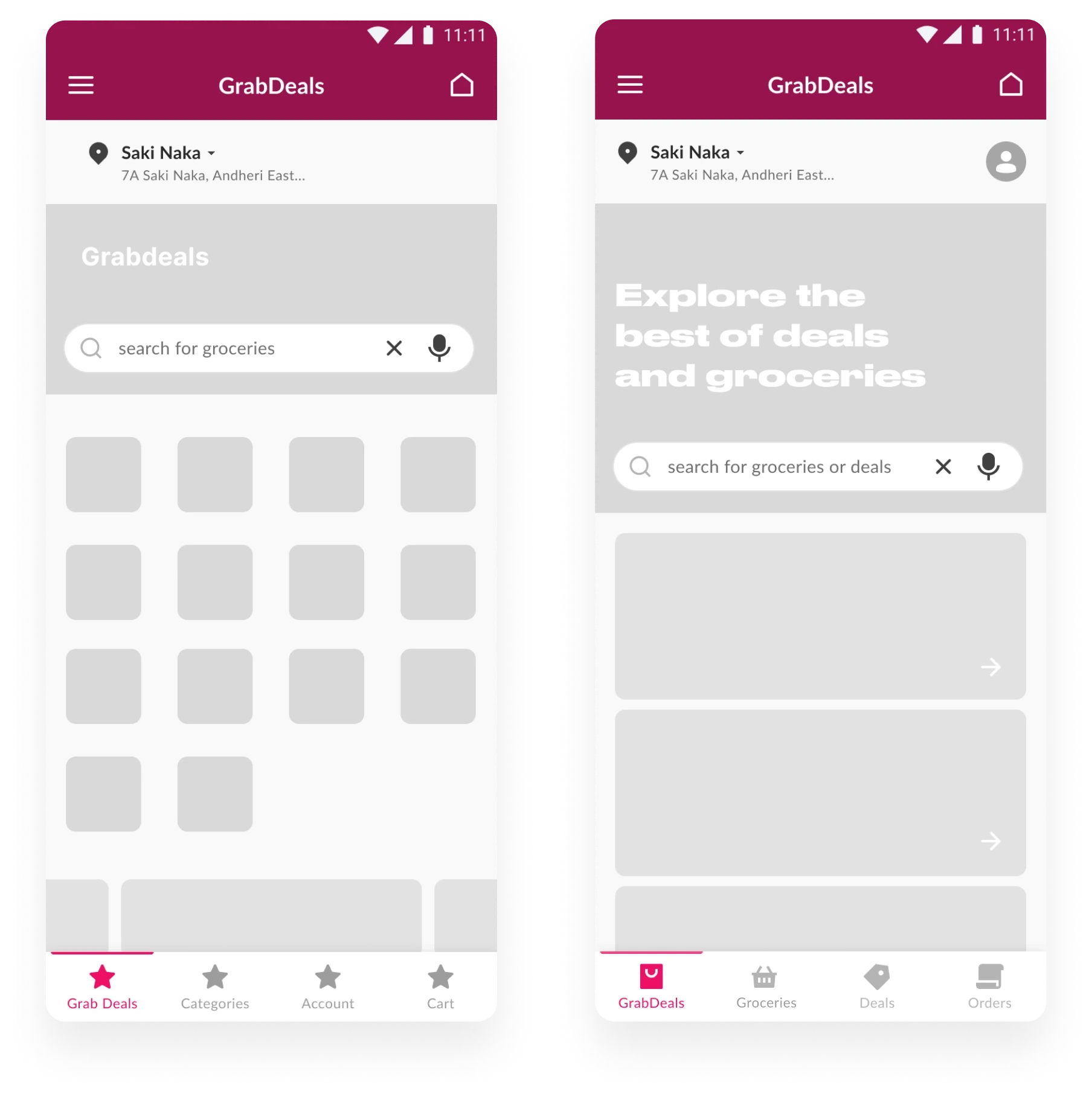
Navigation that Grows with the Catalogue
FINDING OUR FOOTING IN AN OVERSATURATED MARKET
The Quick-Commerce Conditioning
To enter an oversaturated space with a head-start, we first had to get honest about why anyone taps “order groceries” at all. It’s almost always two things: price and speed; a habit quick-commerce has conditioned.

But on ONDC we’re a buyer app. We don’t control the delivery clock (that’s with logistics partners), and because sellers are listed on the ONDC network, we don’t “own” price either. So if we can’t win on time or set price, what’s our edge?
We chose to put the neighbourhood back into e-grocery and let Axis do what Axis does best: trust, community uplifting and clear savings. And so our hook became;
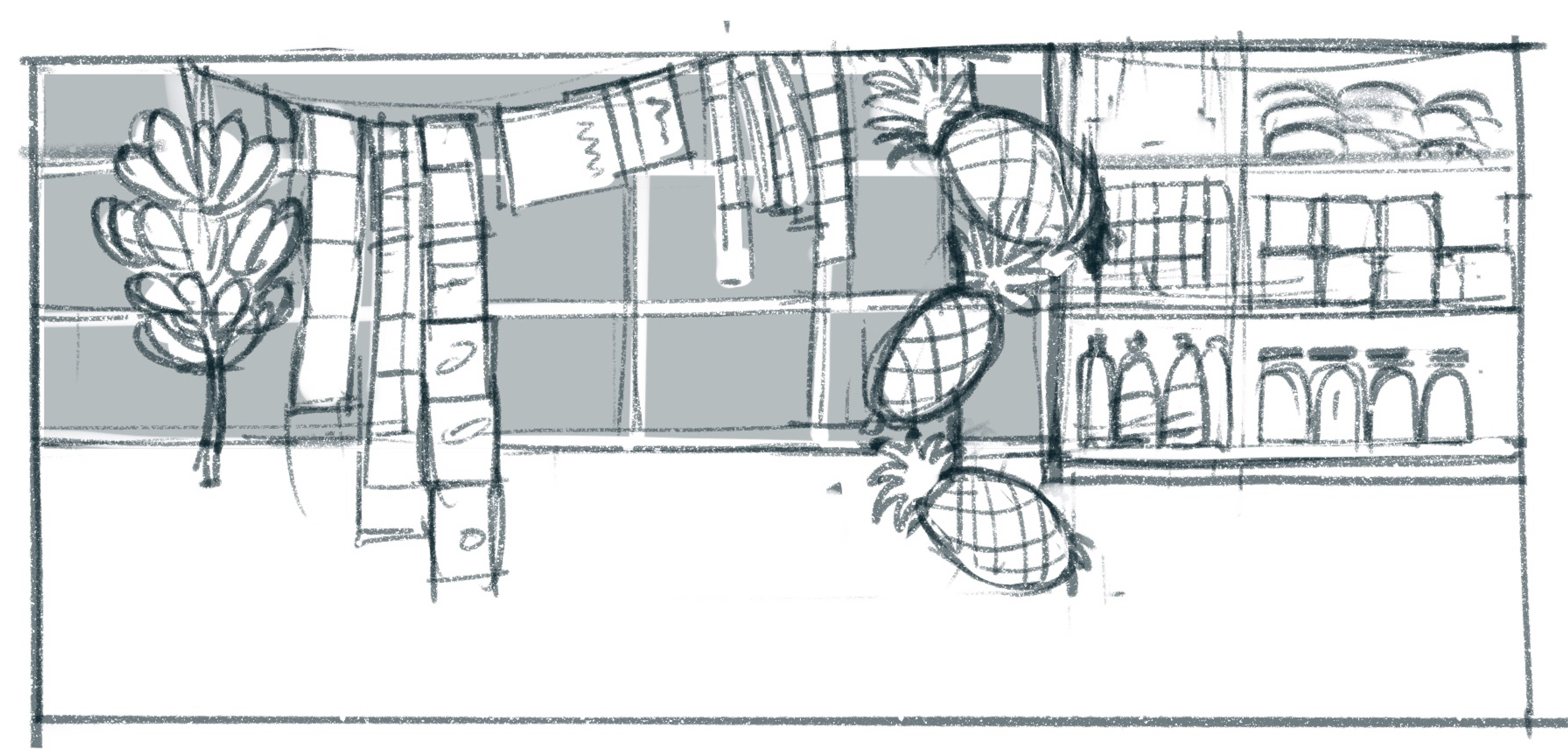
How might we create a novel e-commerce platform that leverages the feeling of 'Make In India' to pivot customers from their existing shopping modes?
Bringing Emotion Back to a Templatised Space
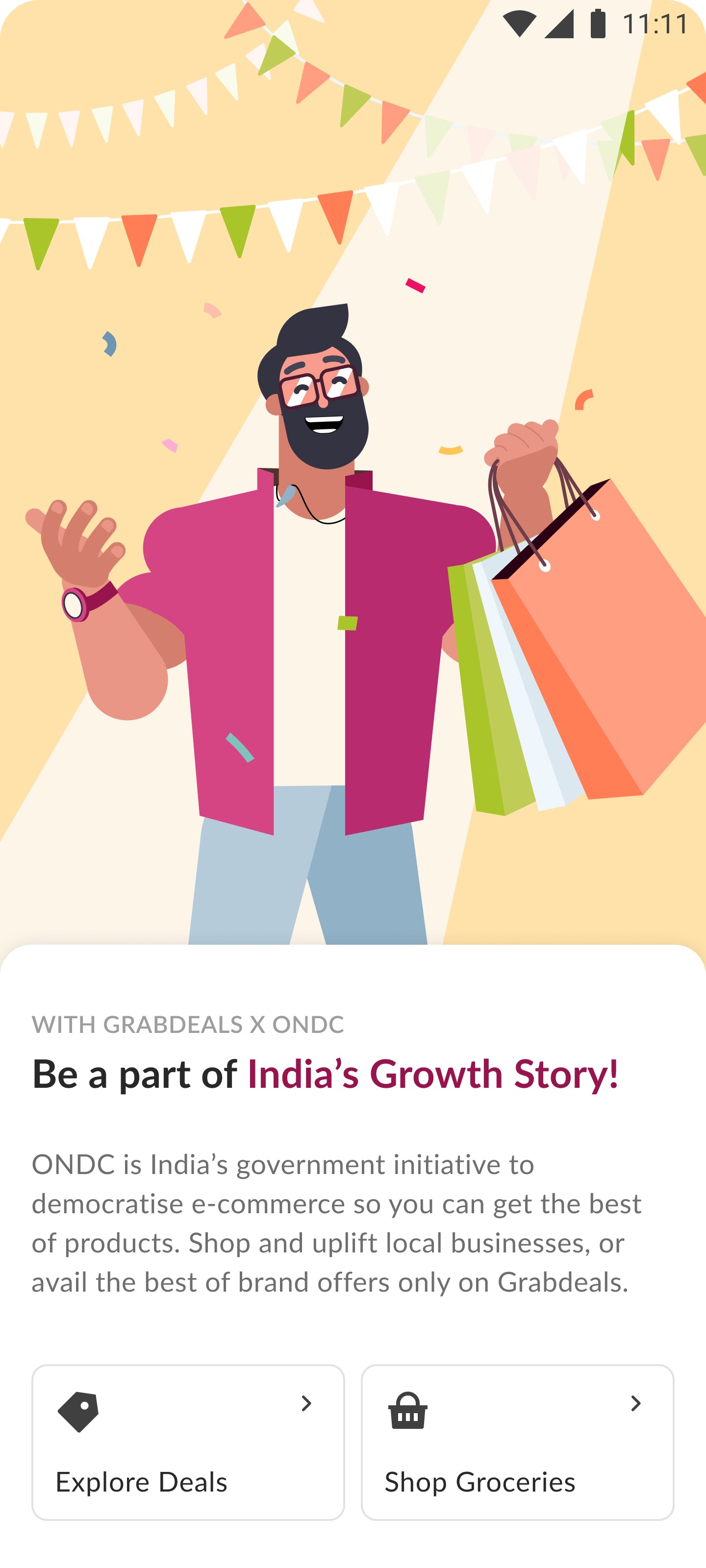
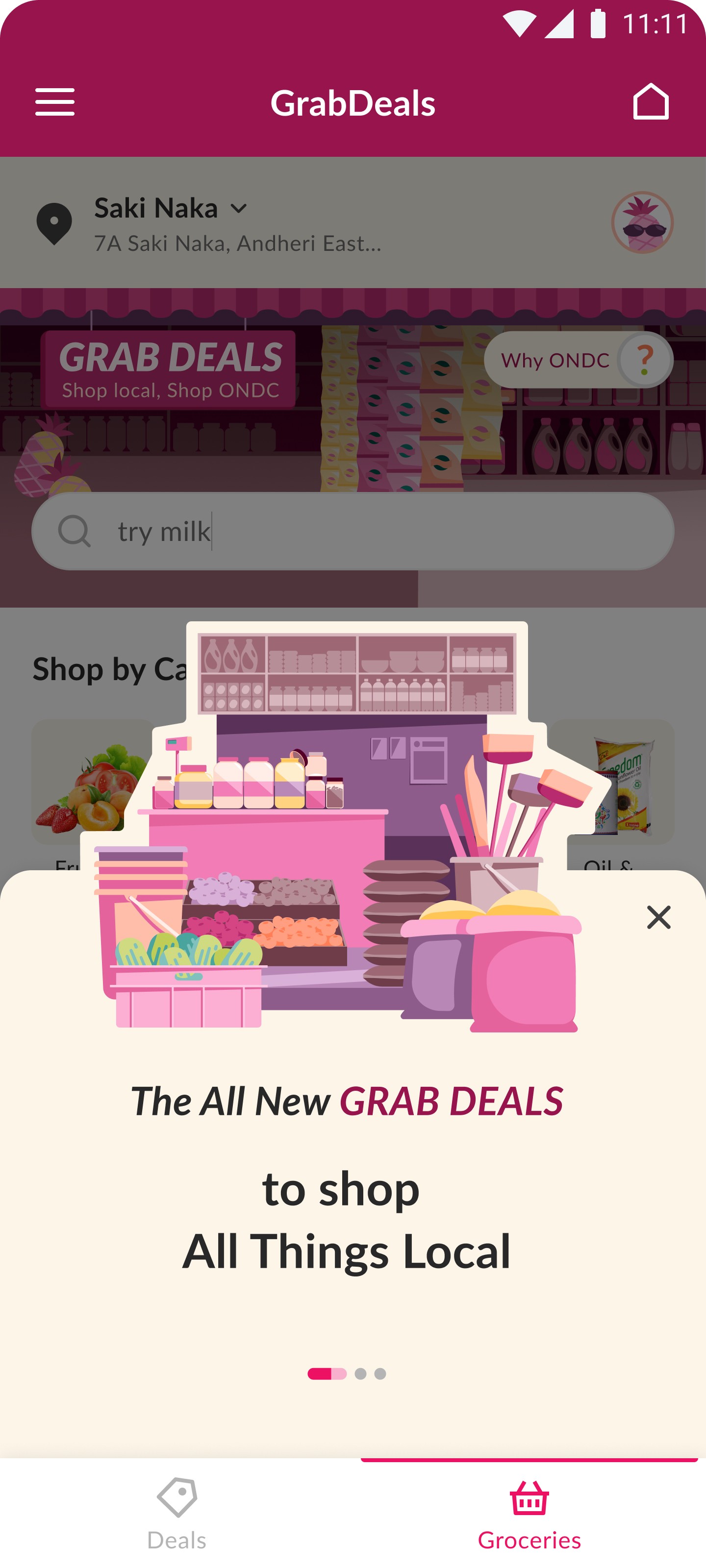
Because ONDC is a government-backed push to democratise e-commerce, we anchored the art direction in a Make in India, local-first story; not marketplace gloss, but the warmth of your neighbourhood kirana.
MULTI-STORE ORDERS
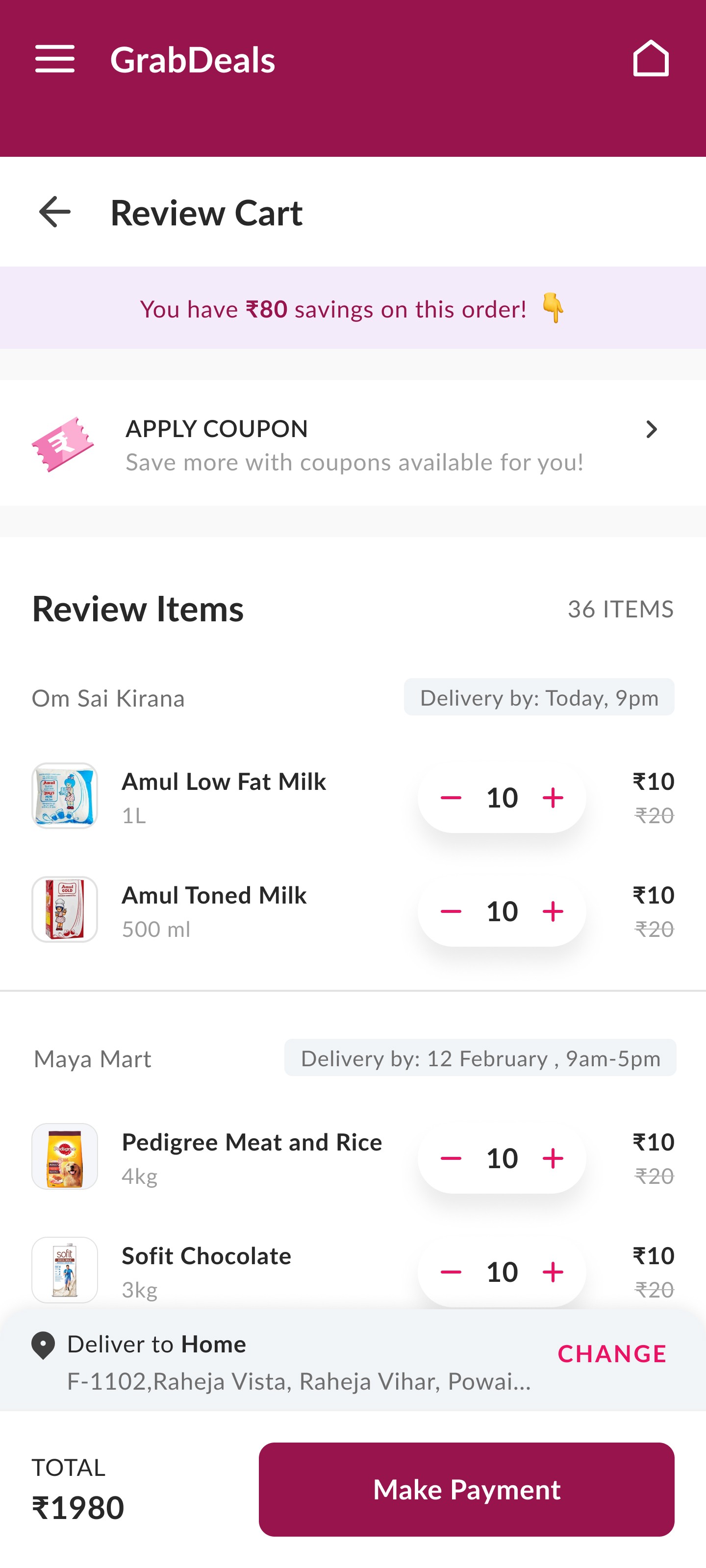
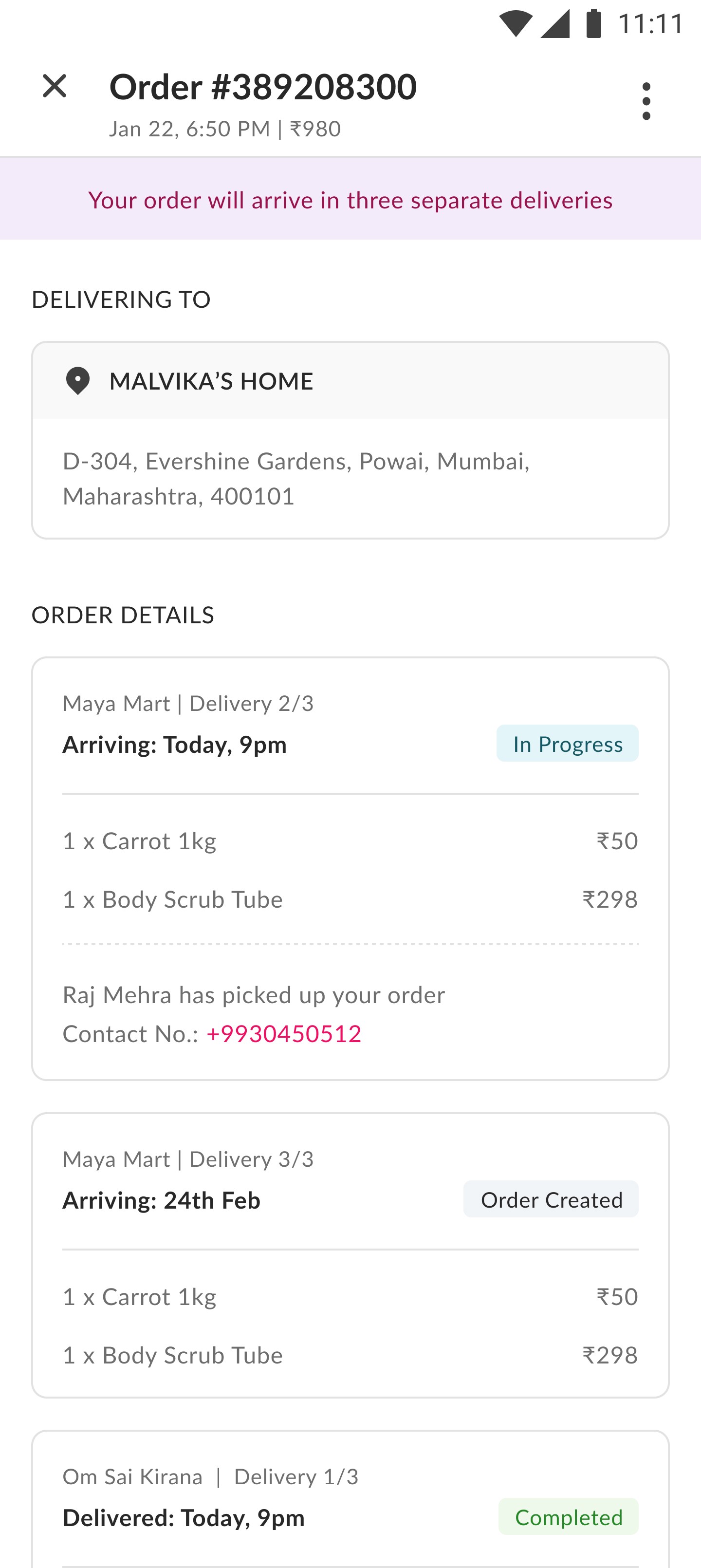
Order Ek, Dukan Anek
1 Store, Many Orders
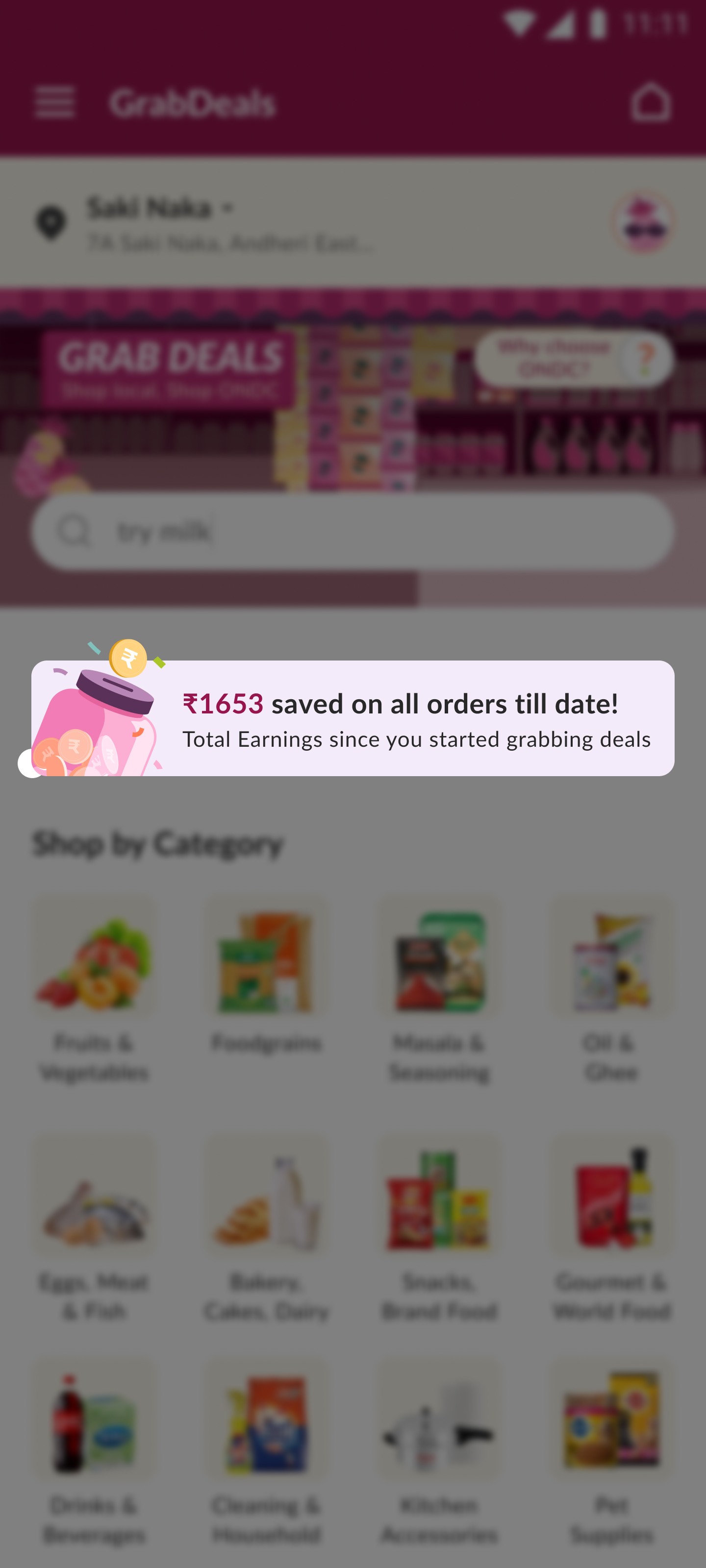
MAKING VALUE TANGIBLE
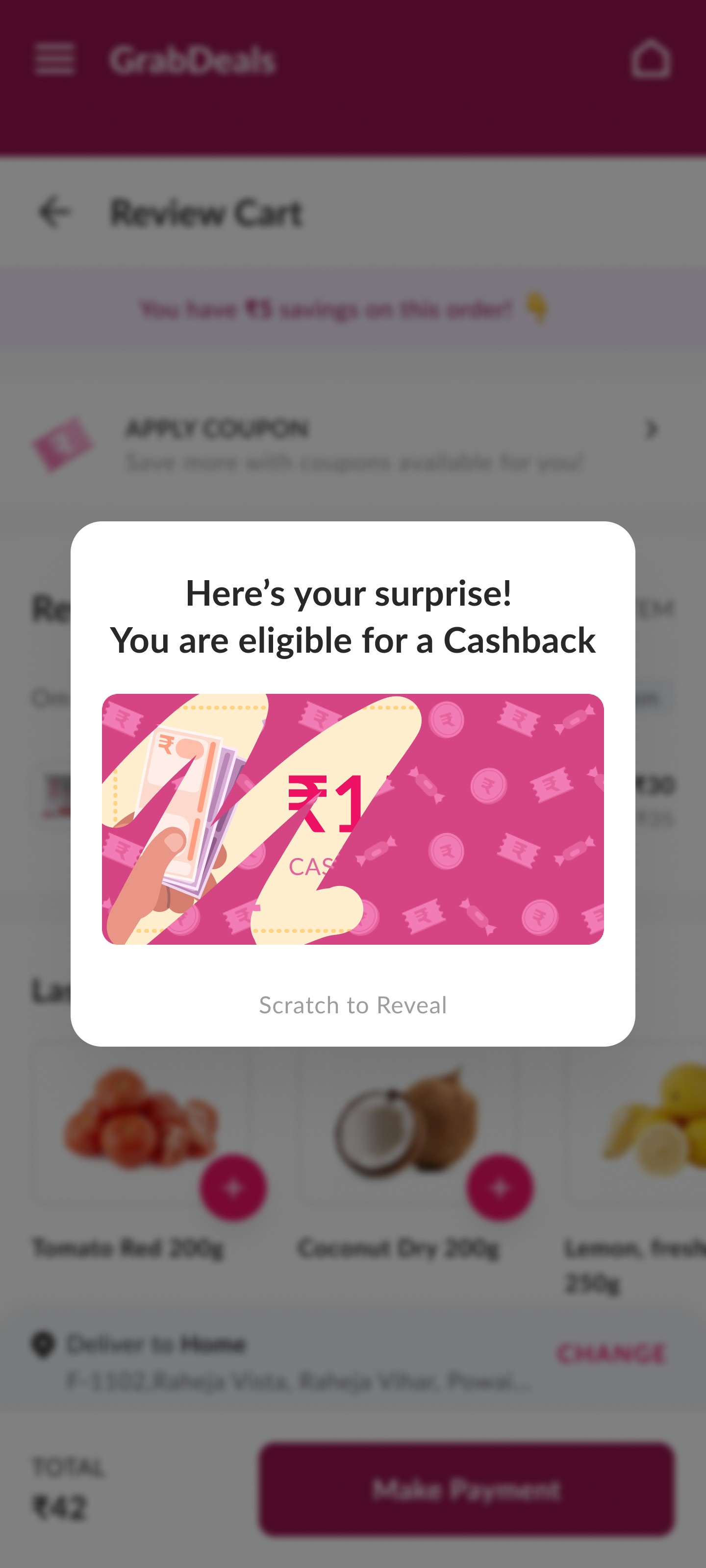
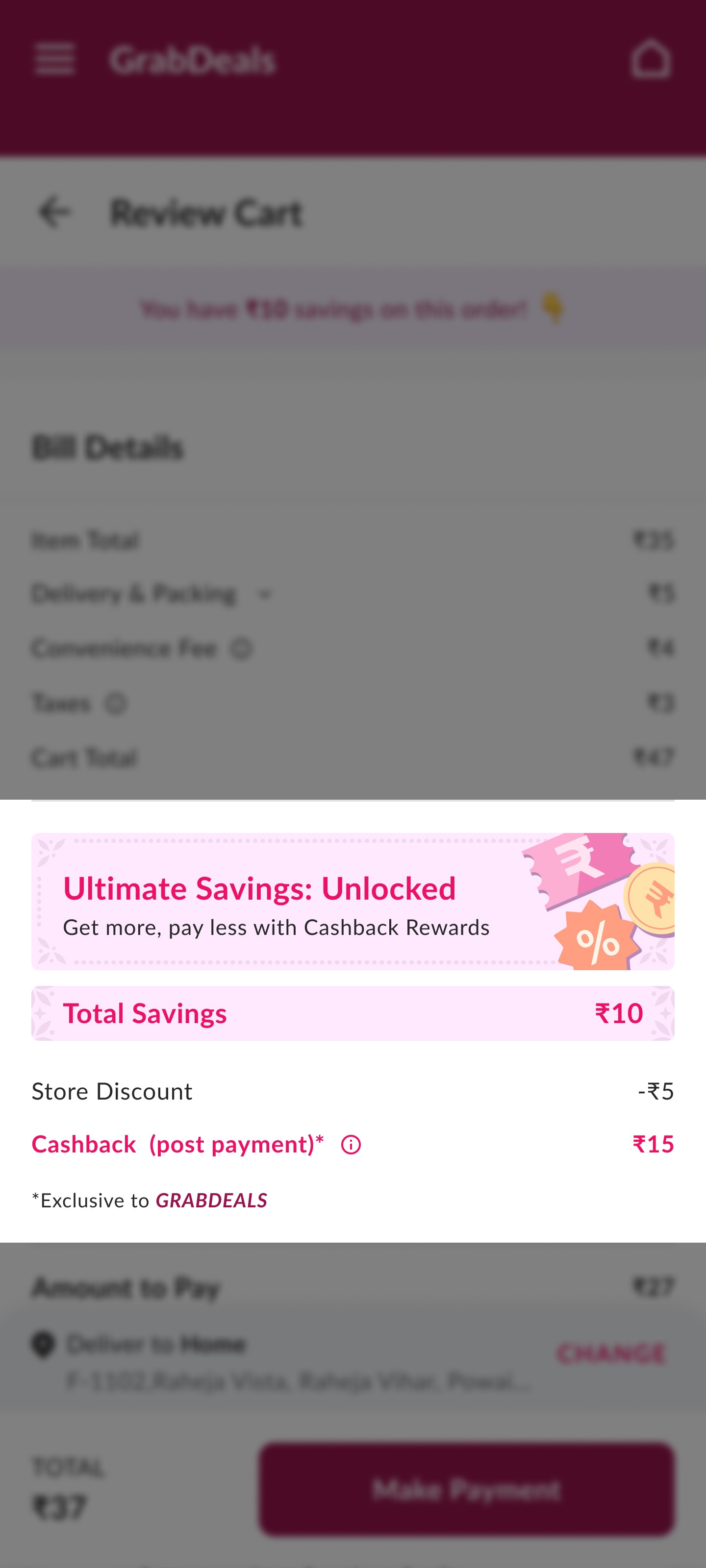
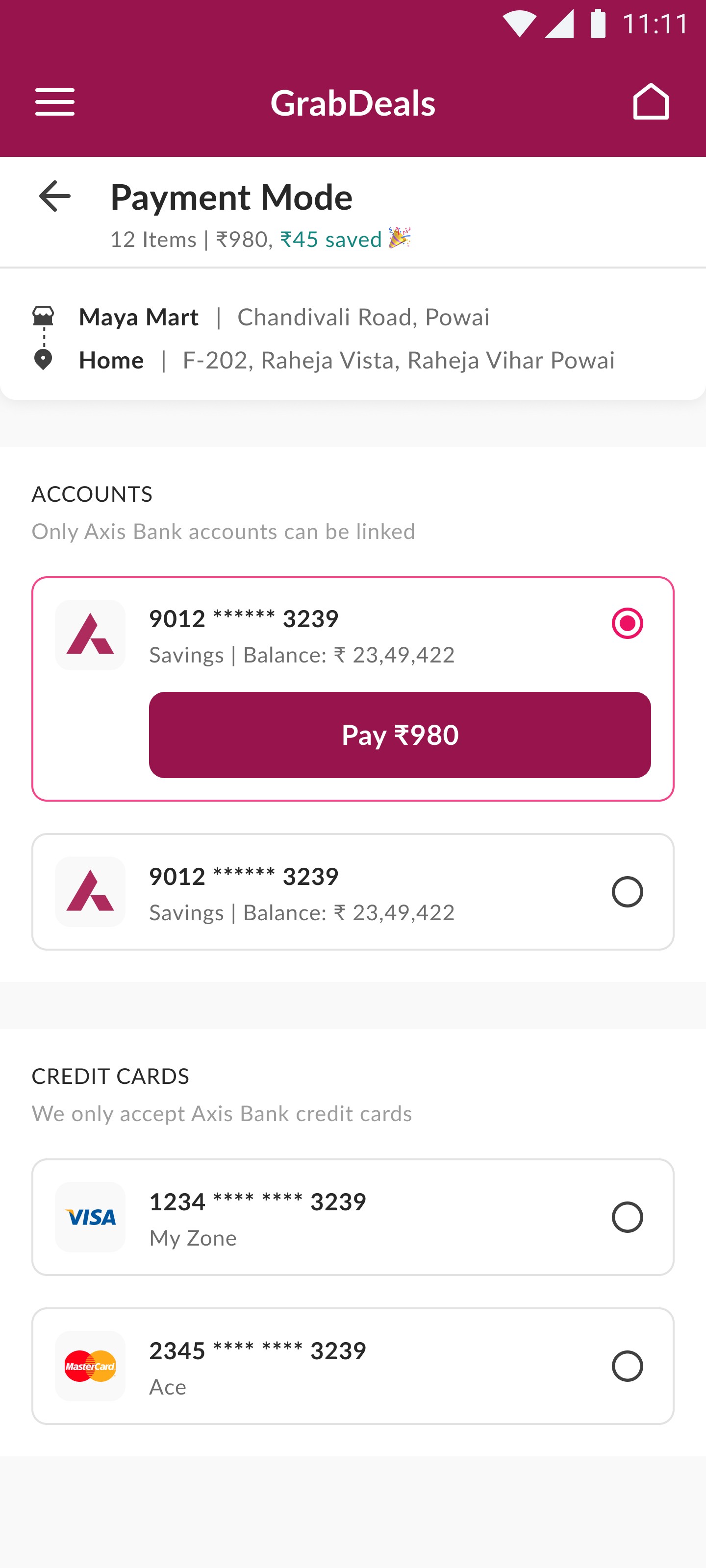
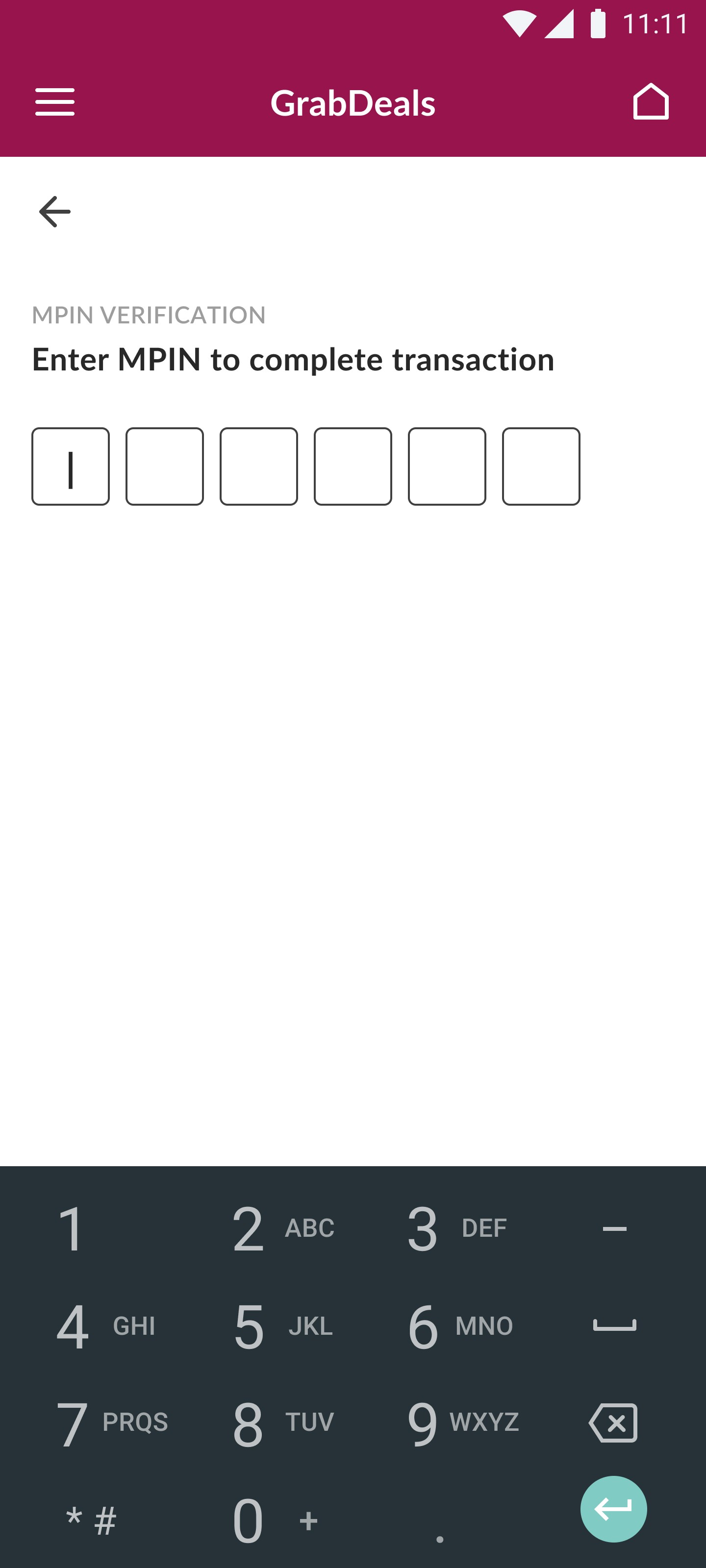
OPTIMISED PAYMENTS
CUMULATIVE SAVINGS


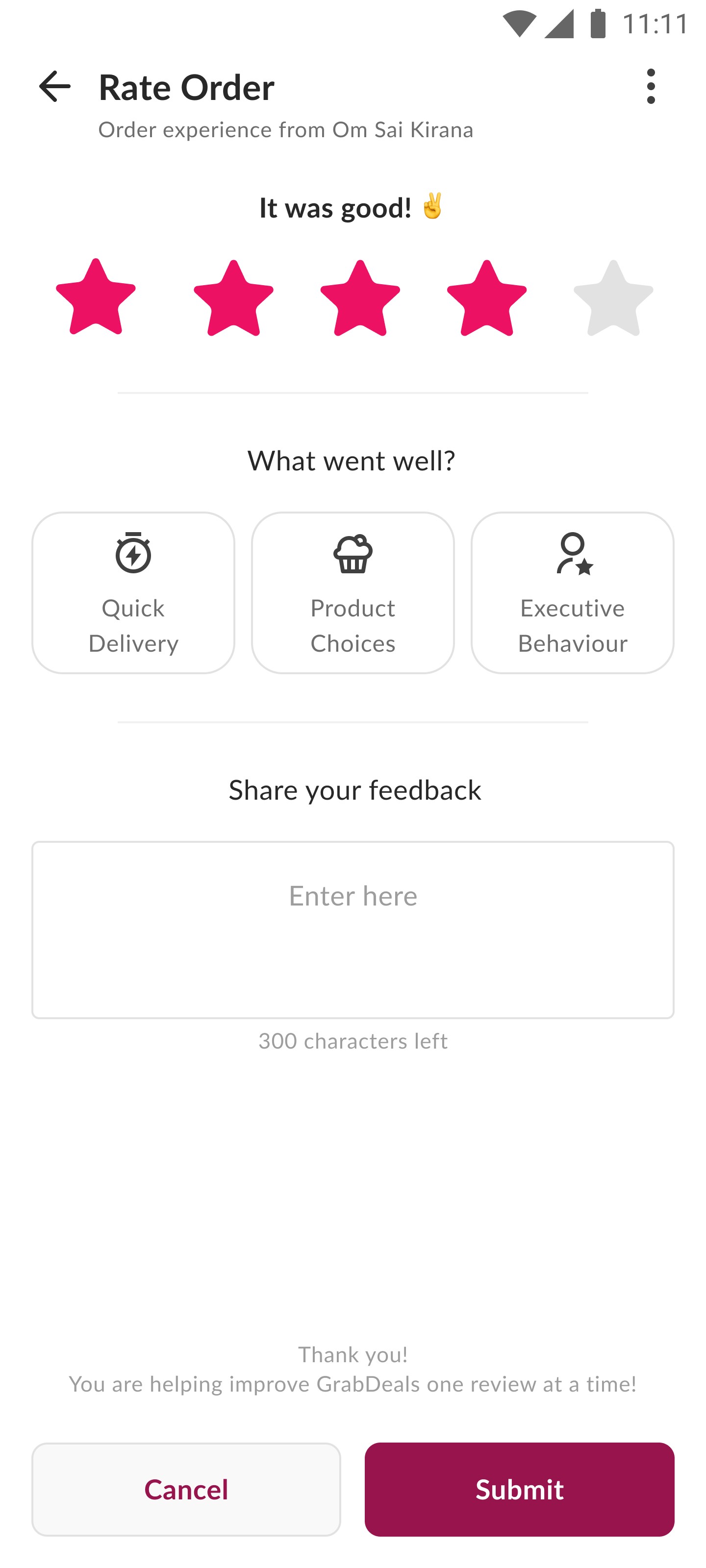
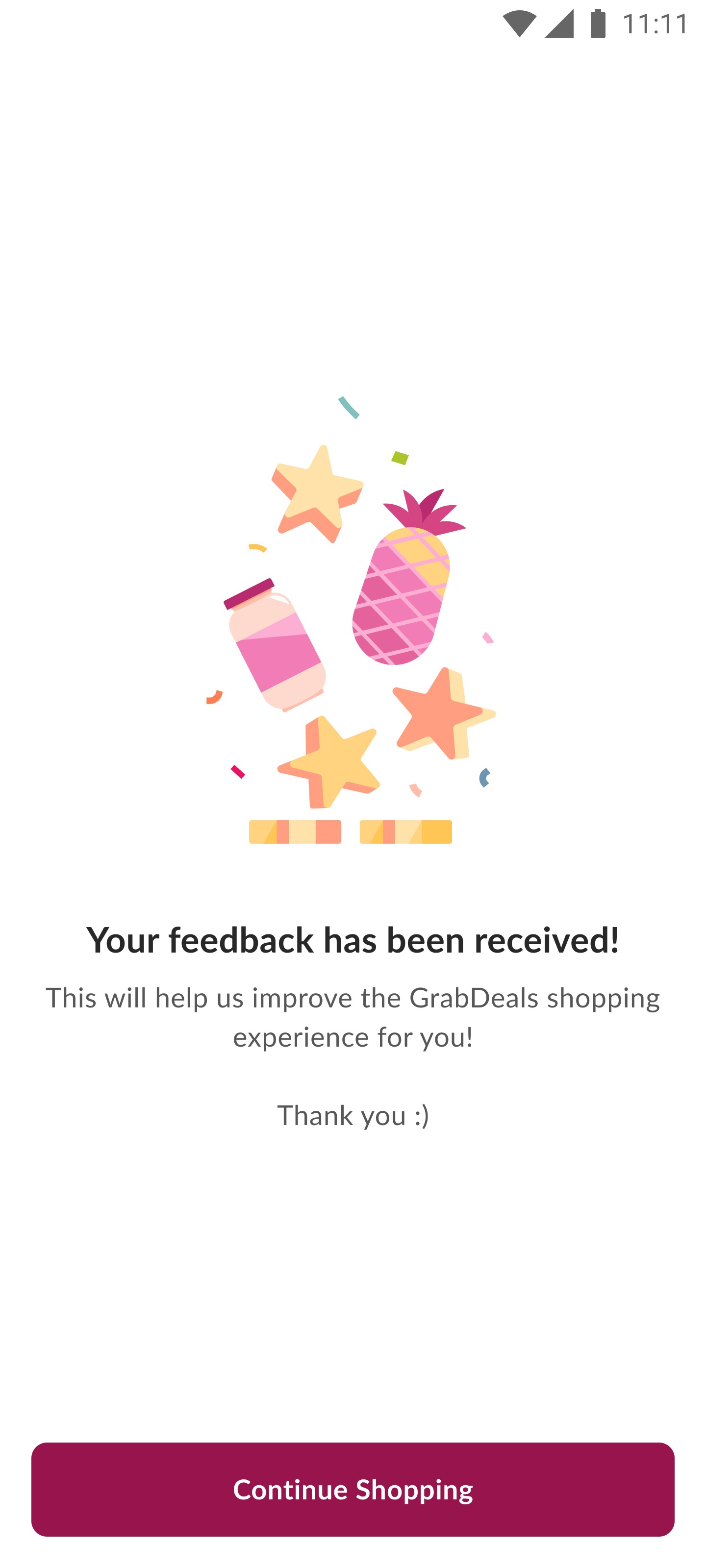
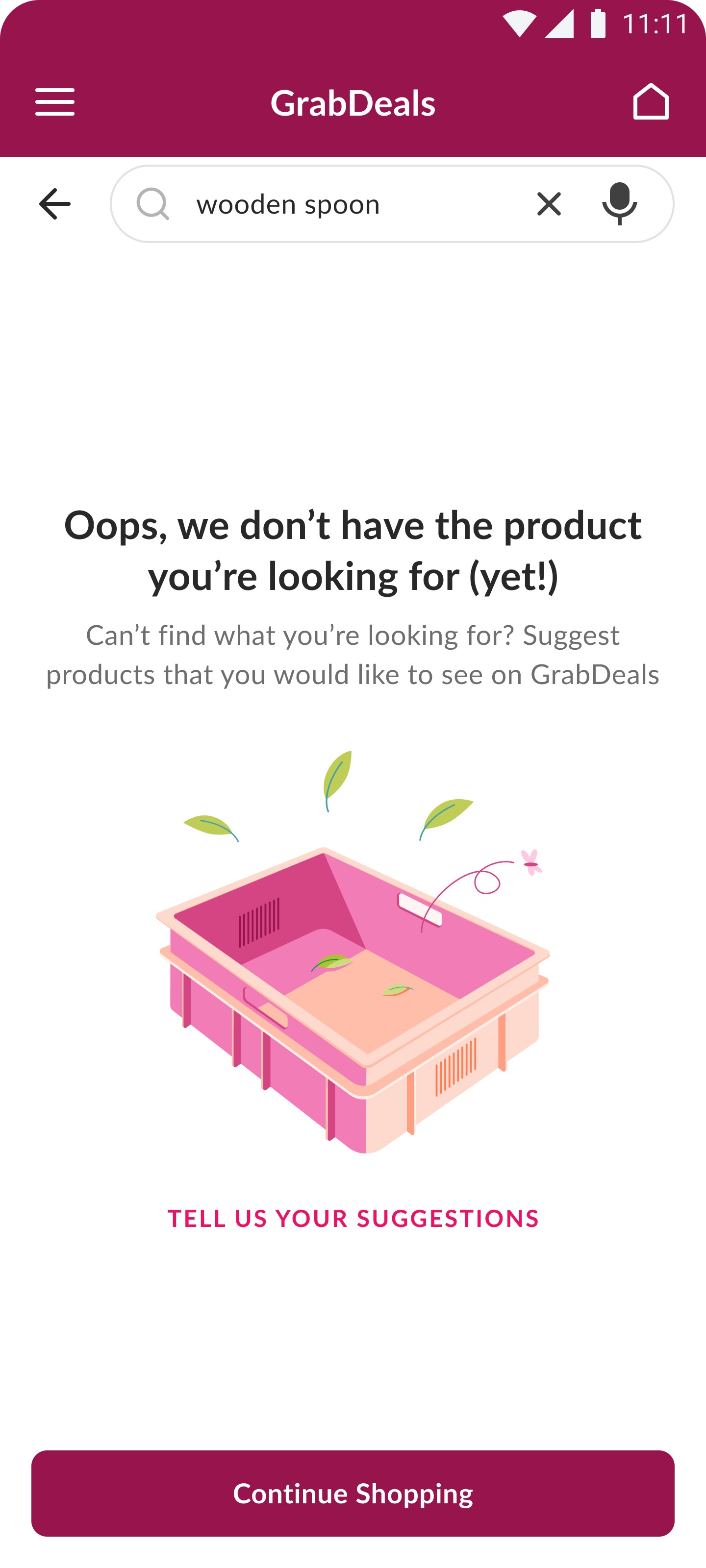
MARKETING COLLATERALS
From Screens, To the Streets
IN RETROSPECT
My very first corporate mammoth project
What stretched me wasn’t just the complexity; it was learning how to stay focused inside it. I learned to hold one story that everyone could repeat: why Groceries first, what the thinnest 0→1 needed to prove, and how “very-Indian, kirana-first” could live inside Axis guardrails. The real growth was in translation and pace. I got comfortable moving from big intent to a small, provable slice; from moodboards to “show-don’t-tell” prototypes; from ideas to PRDs that helped engineering commit without killing momentum. Agile methodology became rhythm: short check-ins, honest trade-offs, and visible decisions. Most importantly, I learned to hold my own in a room full of strong personalities, and advocate for design decisions.
Products get shelved, but we learn, and the show goes on
This project taught me to separate outcome from growth. When business priorities shifted, I learned to let the product go without losing the work. I now design for portability: patterns that travel (multi-store cart, native Axis checkout, total-savings), decisions that are legible later, and “kill/keep” criteria set early so we learn fast, not just hope. Rejection also changed shape for me. Instead of arguing longer, I prototype sooner; instead of taking it personally, I document the why and carry the useful bits forward. The quiet skill I gained is emotional hygiene; be clear, be brave, be kind; and keep momentum. That mindset is what I’ve taken into my practise.
BACK TO ALL WORK