
Thingness:
A sensorial Experience of UK's National Archives
April, 2025
sensorial design
digital cataloguing
storytelling
OVERVIEW
This project reimagines the Register of Designs at The National Archives as a generative tool for design, rather than a static historical record. Using Prown’s Material Culture method, we explore archival objects through an emotional and sensory lens. Our intervention demonstrates how digital cataloguing; often flat and data-driven; can instead retain the affect of the archive. We reposition archives as a space for creative interpretation and narrative-making within contemporary design practice.
My Role
Sensorial Documentation, Narrative-Weaving, Conceptualisation
Team
Diya Paode, Ojaswi Kejriwal, Sarthak Joshi
Project partner
IMPACT
THE PROCESS
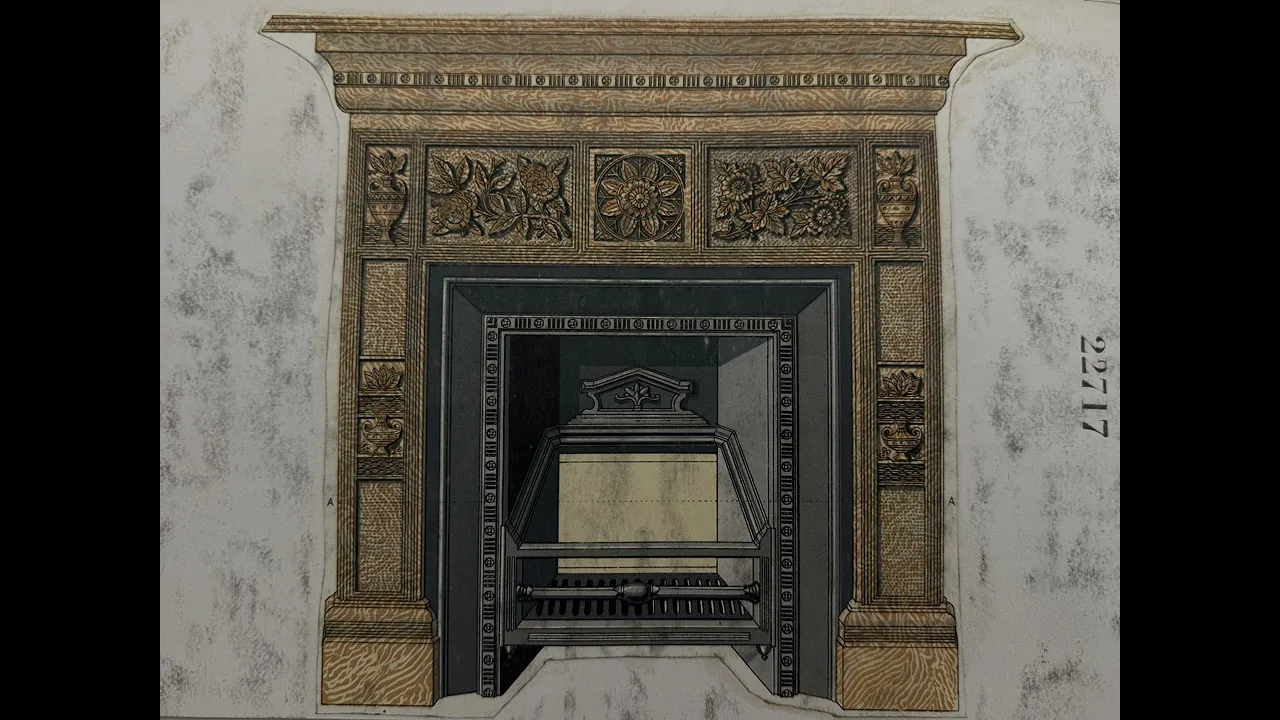
We designed this workshop as a proof of concept: a way to test how archival objects; specifically designs from the Register of Designs; could be engaged with not just historically, but sensorially and imaginatively.
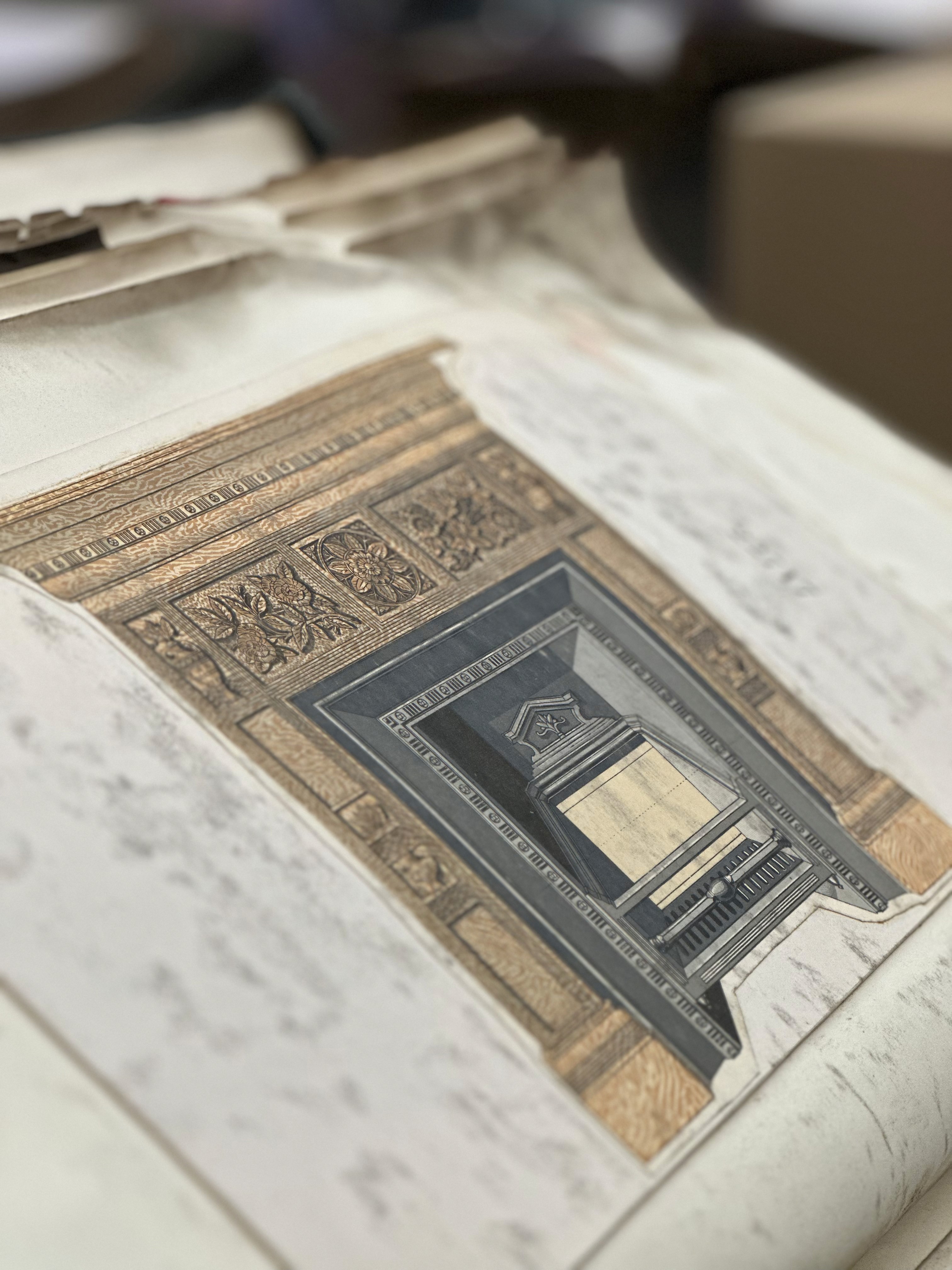
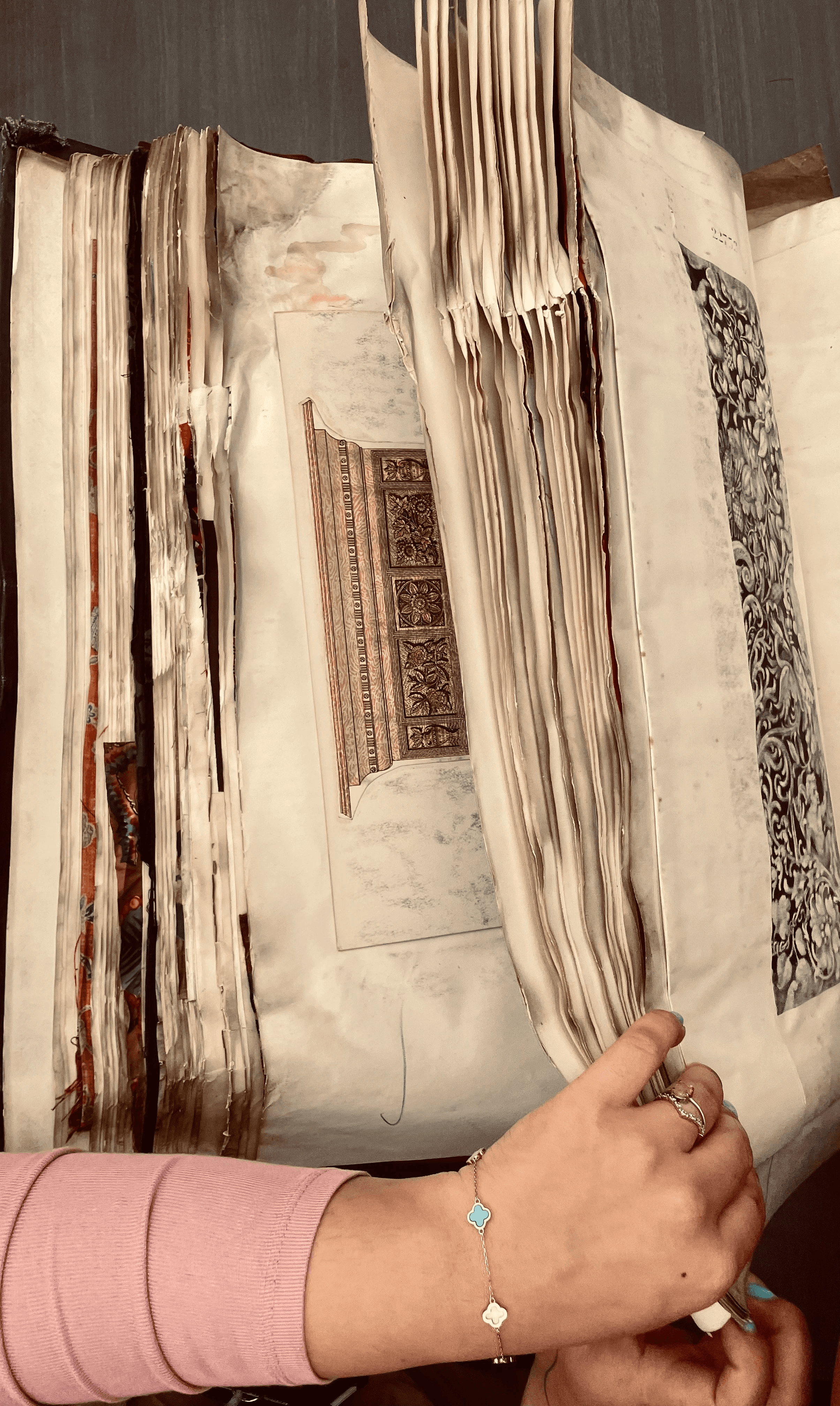
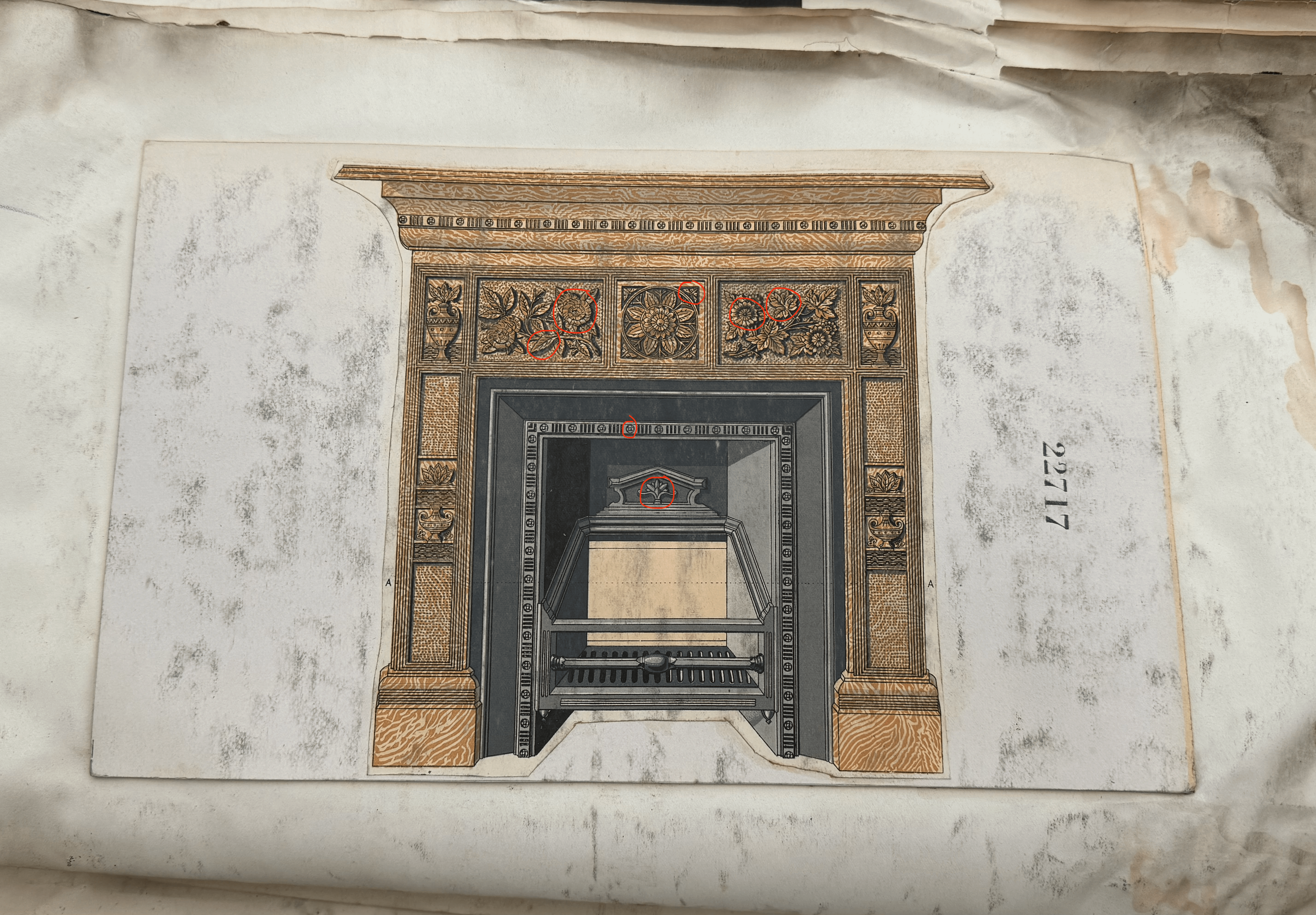
Using Prown’s Material Culture method (description, deduction, speculation), we examined a registered designs through close material observation. We noted physical features like asymmetry, texture, wear, and engraved motifs; as sensory cues and narrative triggers. This grounded approach allowed us to explore the emotional and symbolic potential embedded in the design.
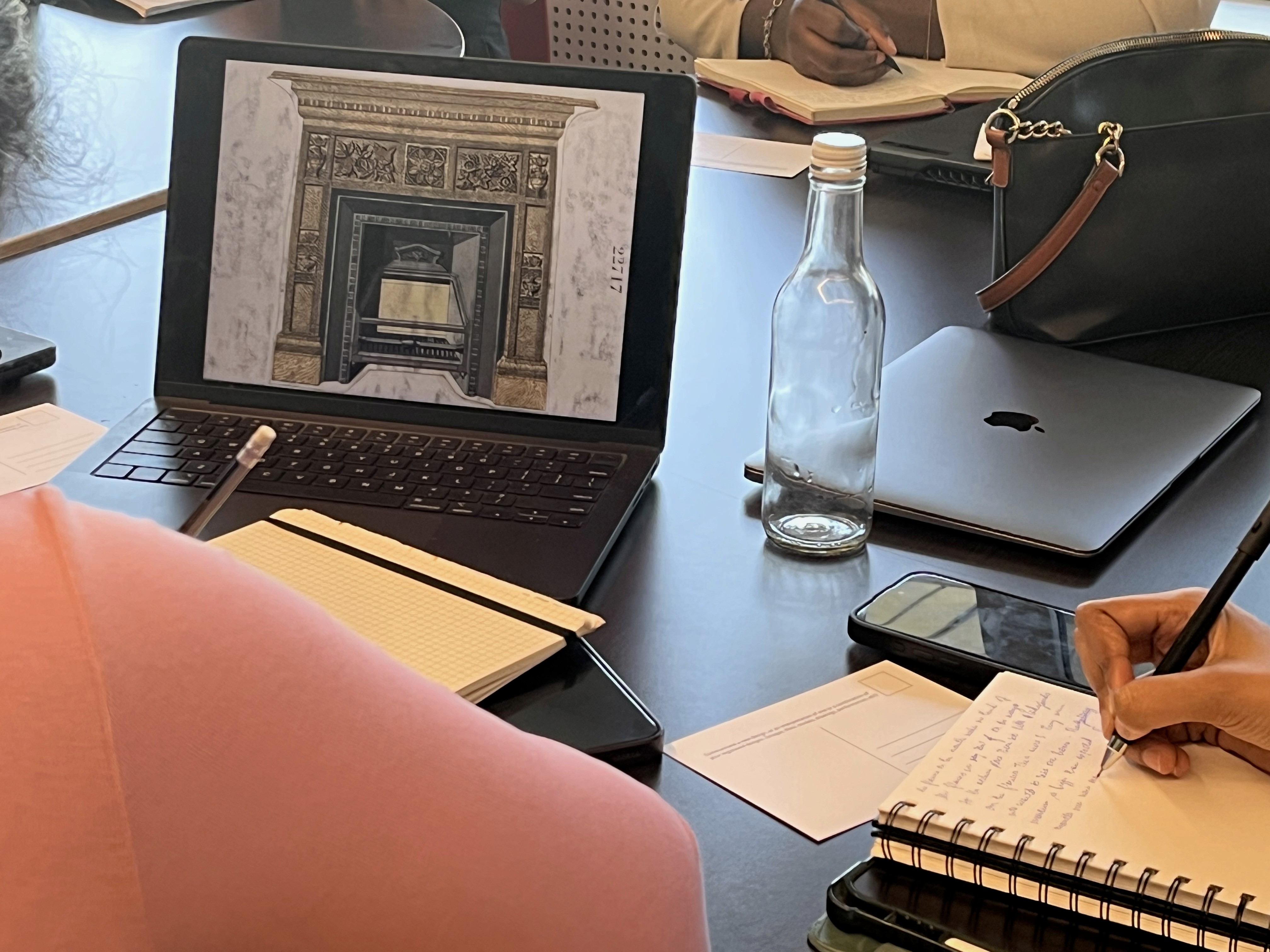
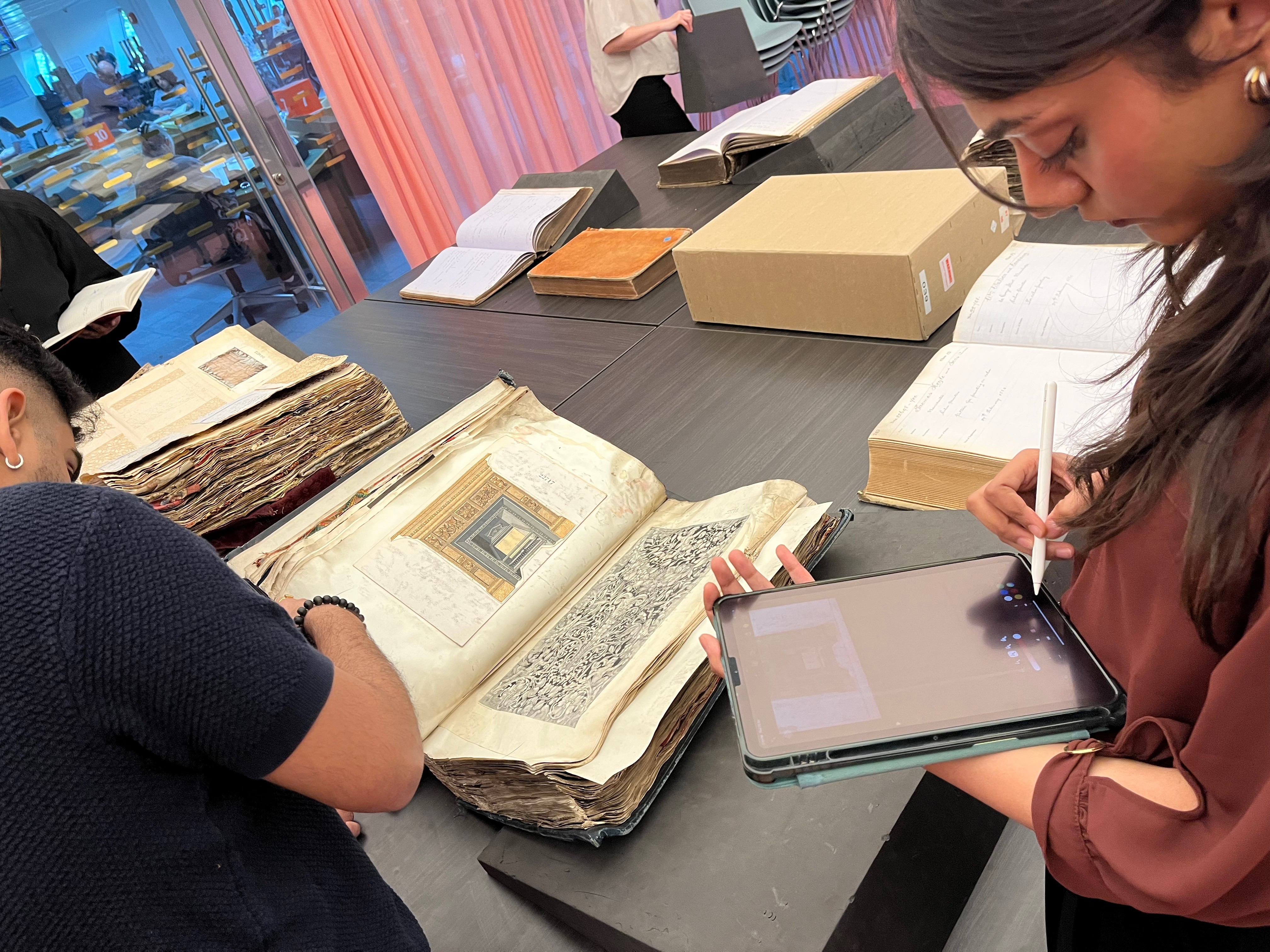
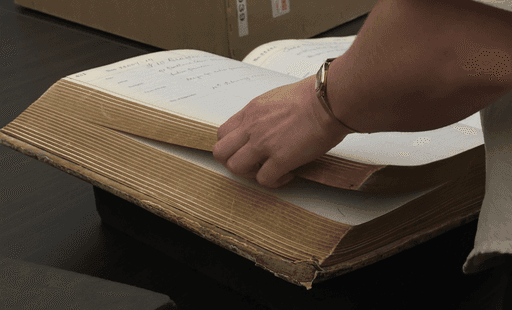
Browsing, selecting and sensorially documenting the artefact
THE OUTCOME
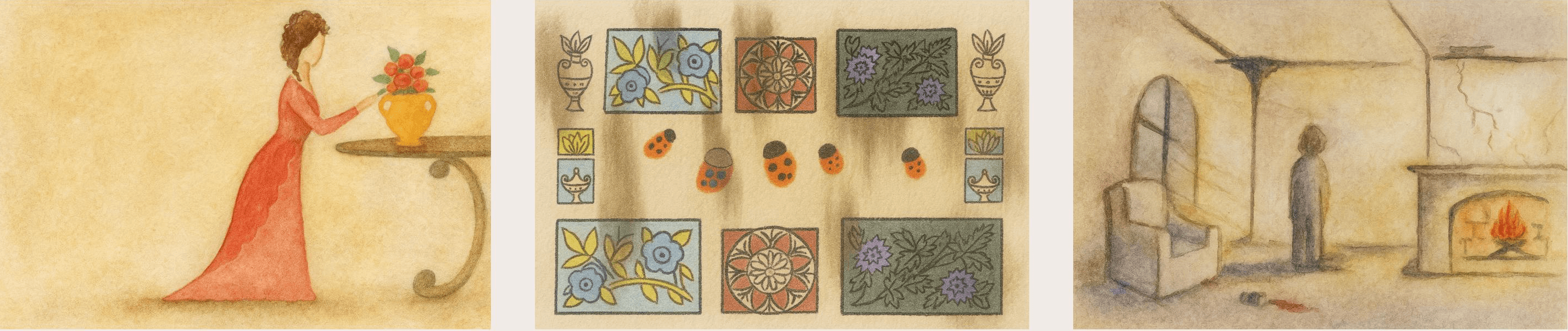
Through this process, we demonstrated how archival artefacts can act as starting points for generative design outcomes. Rather than treating digital catalogues as static databases, our approach prototyped a model where archival materials are reactivated through interpretation, affect, and storytelling.
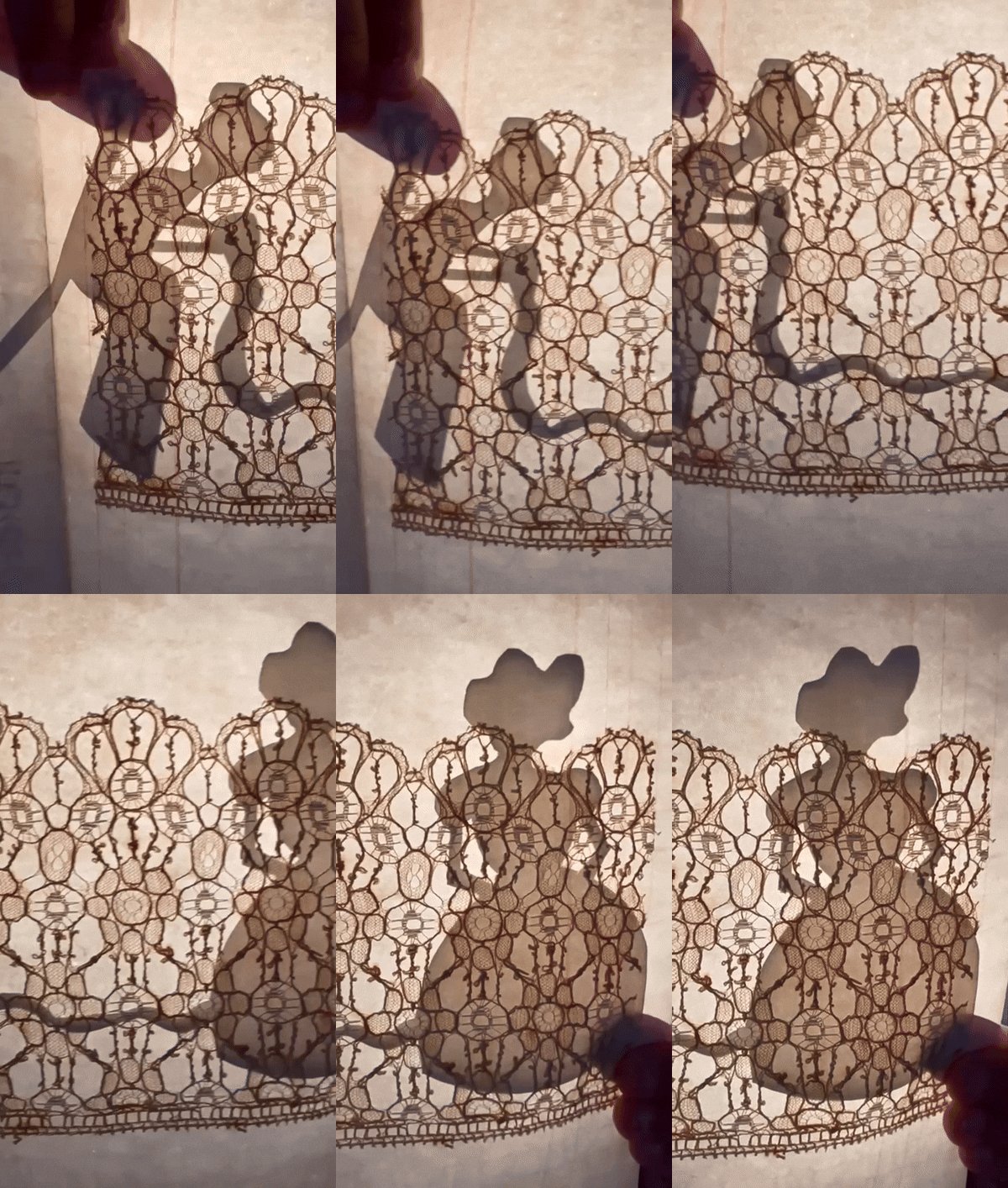
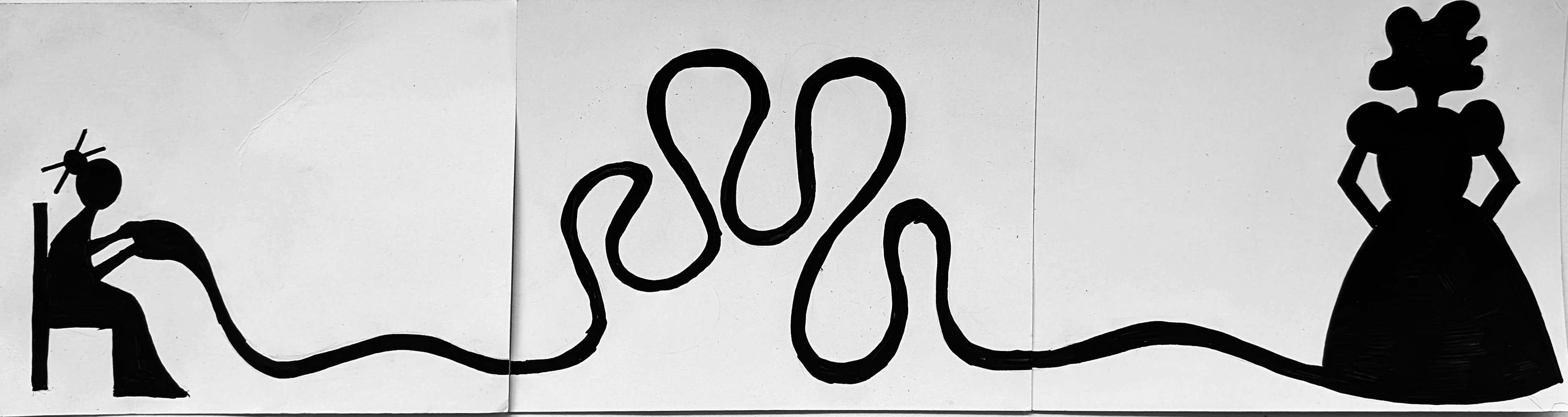
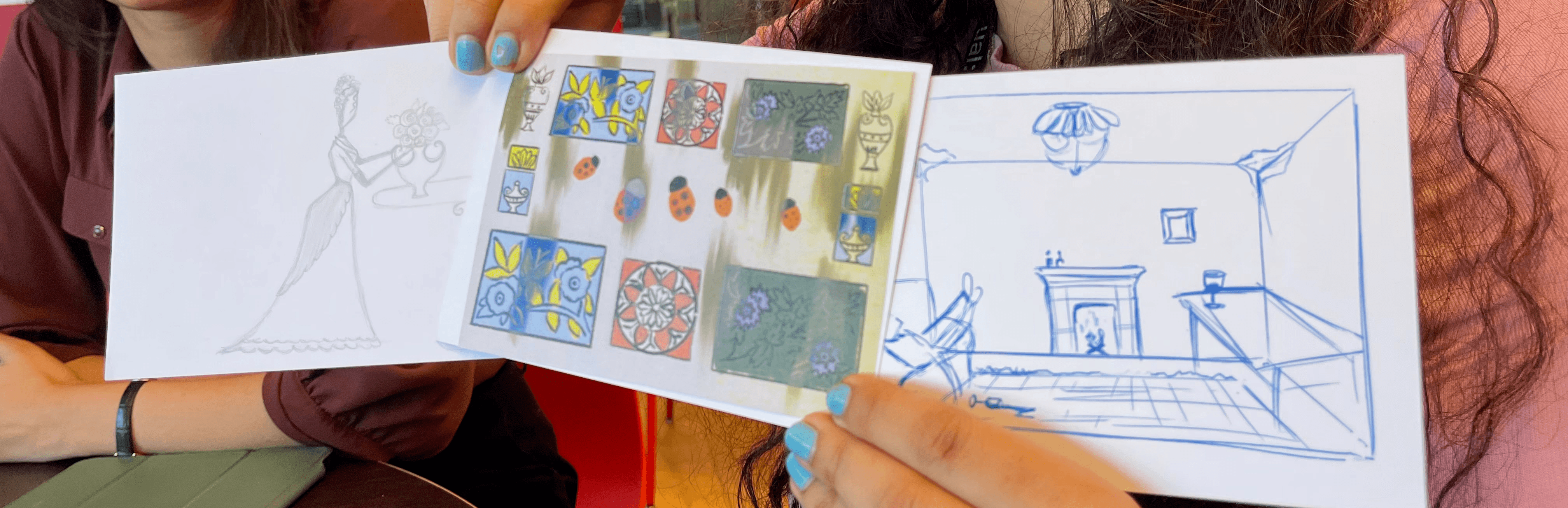
Our sketches during the workshop, high fidelity renders, sensorial documentation
Our workshop offers a new lens for digital cataloguing; one that retains sensorial depth and invites creative engagement, enabling archives to live and evolve as part of contemporary design practice.
THE FEEDBACK
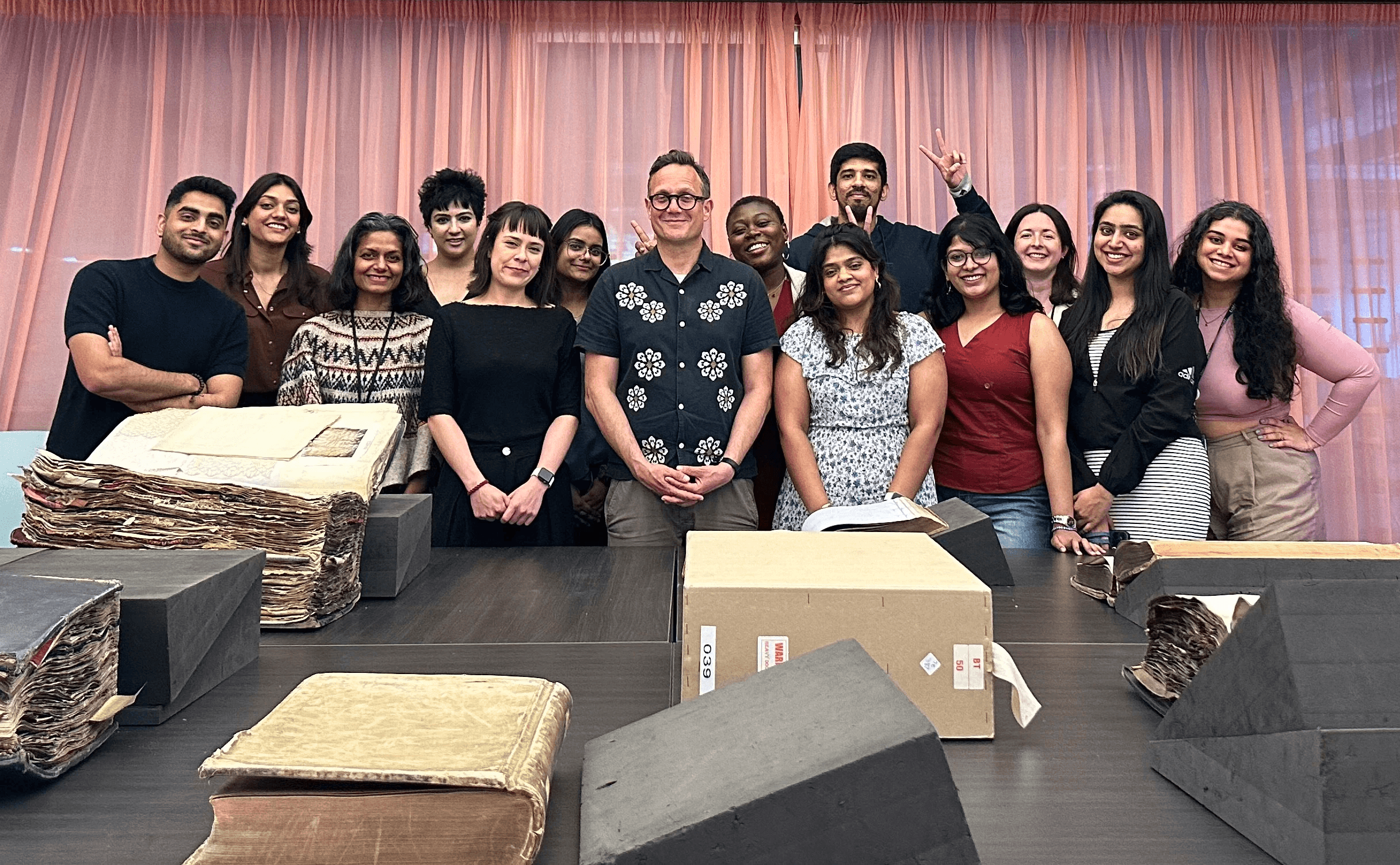
The UAL and National Archives' Team <3
BACK TO ALL WORK