May 2023 - July 2024
user experience
wireframing
interface design
art direction
audits



OVERVIEW
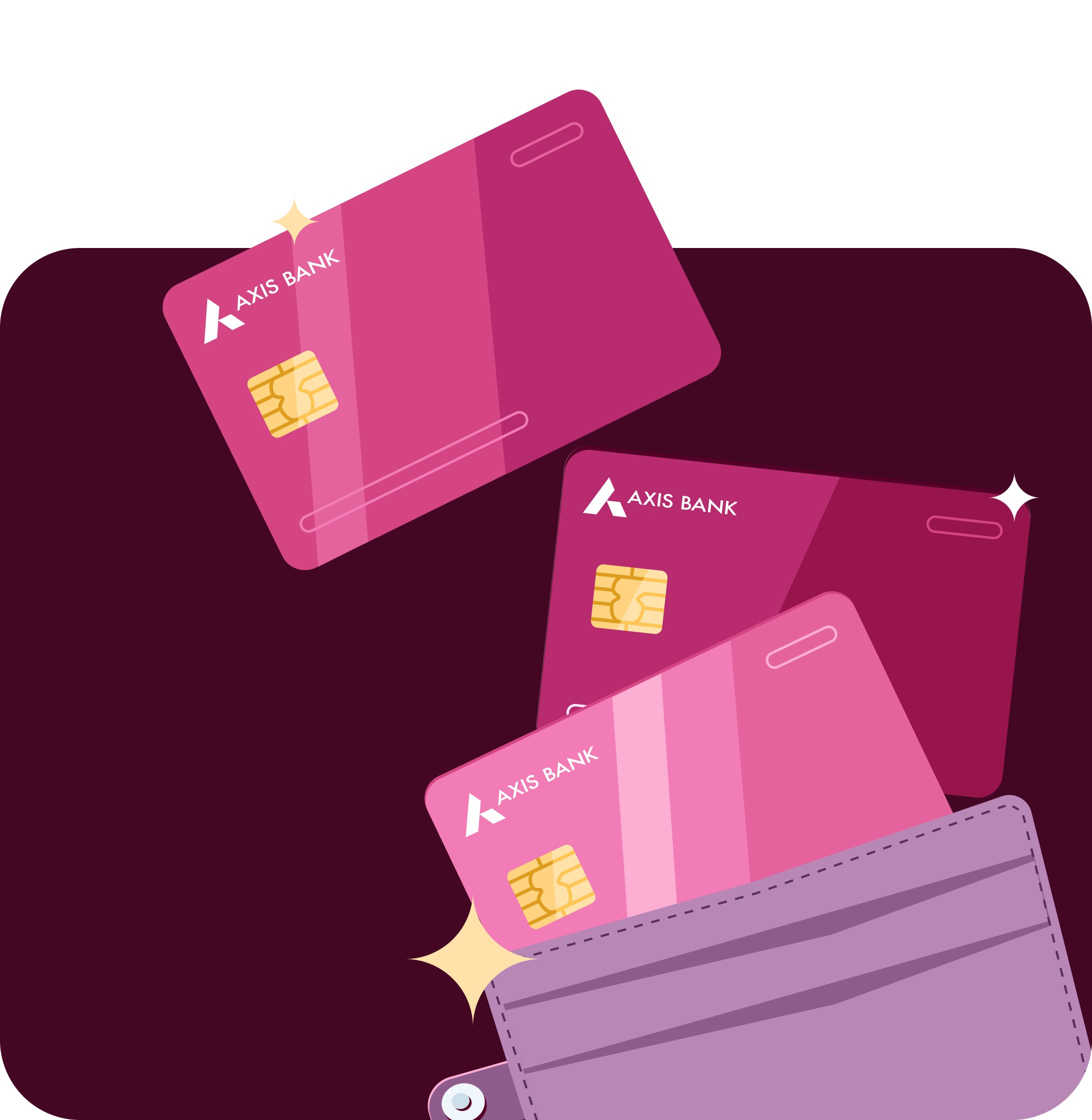
Axis Bank is one of India’s largest private-sector banks, serving tens of millions of customers across digital and branch channels. With a baseline digital journey already established for their Credit Cards on mobile and web, frequent incremental updates often disrupt the user experience. There is a constant learning curve for users.
My aim, through the series of features I worked on, has been to advocate for the design team to have a role in product development, and humanise the experience by building familiarity through transparency and simplicity; and introducing scalable designs for cohesion across all internal journeys.
My Role
End-to-end delivery including research, wireframes, visual design, art direction, dev handoff and audits
Team
3 Designers, 10 Developers, 3 Tech PMs, 4 Business PMs
THE PROBLEM
Tunnel Vision
Incremental feature introductions, with a short-term vision, cause users to be stuck in a constant learning loop. Cognitive overload thus leads to mistrust and frustration, causing them to opt for third party apps for managing their credit cards. The business team works hard to introduce features and offers to incentivise the use of our platform, however the intent gets lost in the haze of 'quick fixes' and disconnected experiences. A vicious cycle thus ensues; the business team pushing for more short term fixes, causing even more disconnect in the experience of our platform.
Overlooking the Undercurrents
Due to the hierarchical structure of our team, the business department would approach us with their solutions for perceived problems based on statistical data. More often than not, the problem identified would be an outcome rather than an undercurrent that's caused it, and so the solution they proposed would not be successful in addressing the issue.
Many Cooks, Many Cooking Styles
As the design team at Axis Bank has scaled, the product is now handled by a team of 3 UX designers, each of us working on different features within the same platform. It became imperative for us to define scalable patterns, to ensure a cohesive and easily navigable ecosystem.
A Balancing Rope: Feasibility, Regulation, Experience
A constant battle has been balancing RBI's regulatory guidelines and technical feasibility while still maintaining an intuitive and delightful experience for users.
ROOTING OUT THE REAL PROBLEM


BALANCING FEASIBILITY, REGULATIONS & EXPERIENCE




View Your Digital Card
Identifying simple leverage points in a constraint-heavy system to craft an on-the-go experience




Daily Transaction Limit
Coming Soon
ESTABLISHING DESIGN PATTERNS
Nudge Framework
Coming Soon
Dropoff Reduction & Feedback
Coming Soon
THE DELIGHT FACTOR


Loader
A dynamic intervention that shrinks perceived wait time
Microanimations
Coming Soon
Virtual Card Unboxing
Coming Soon
IN RETROSPECT
Advocating for Designers to have a Seat at the Table
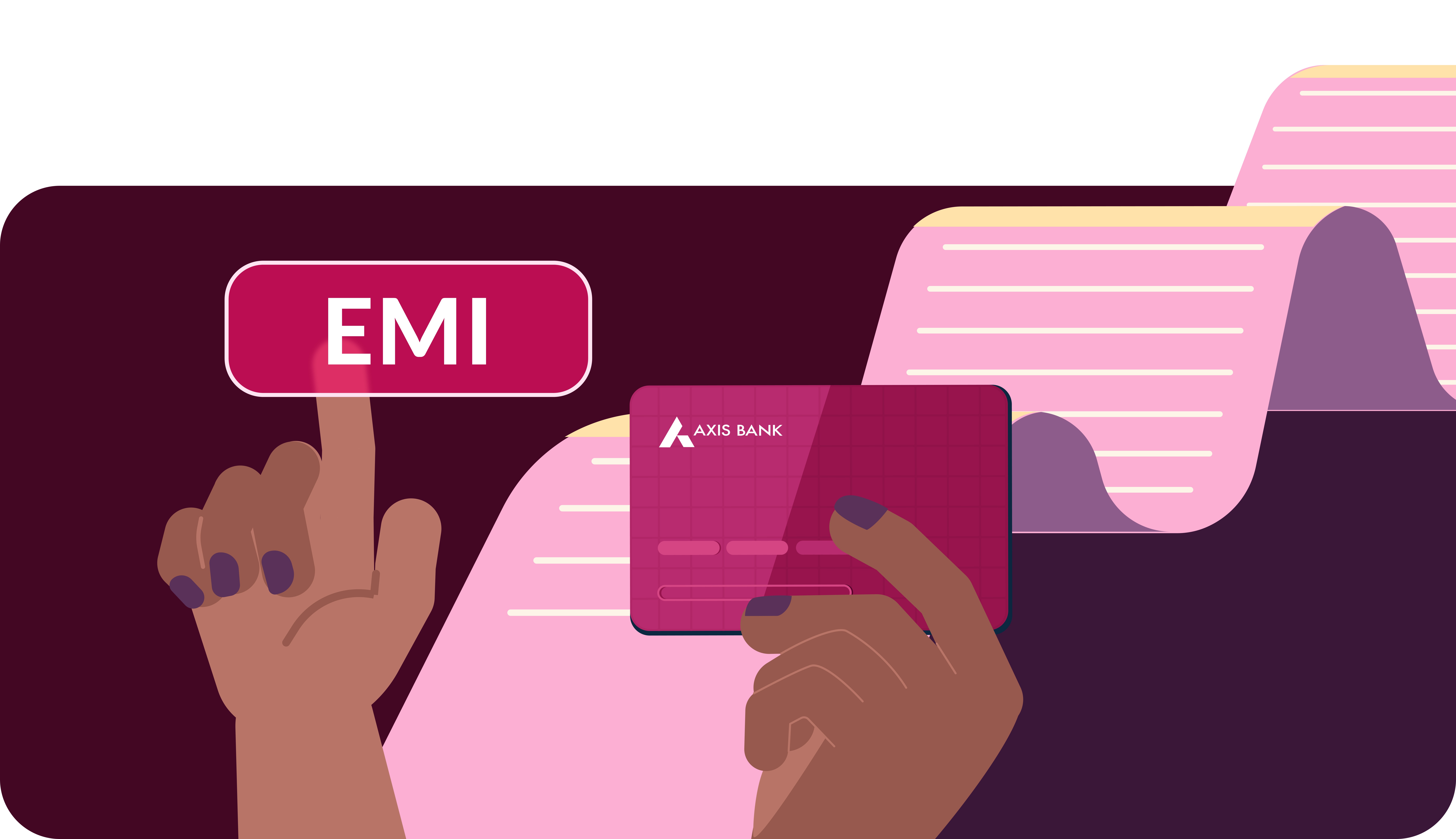
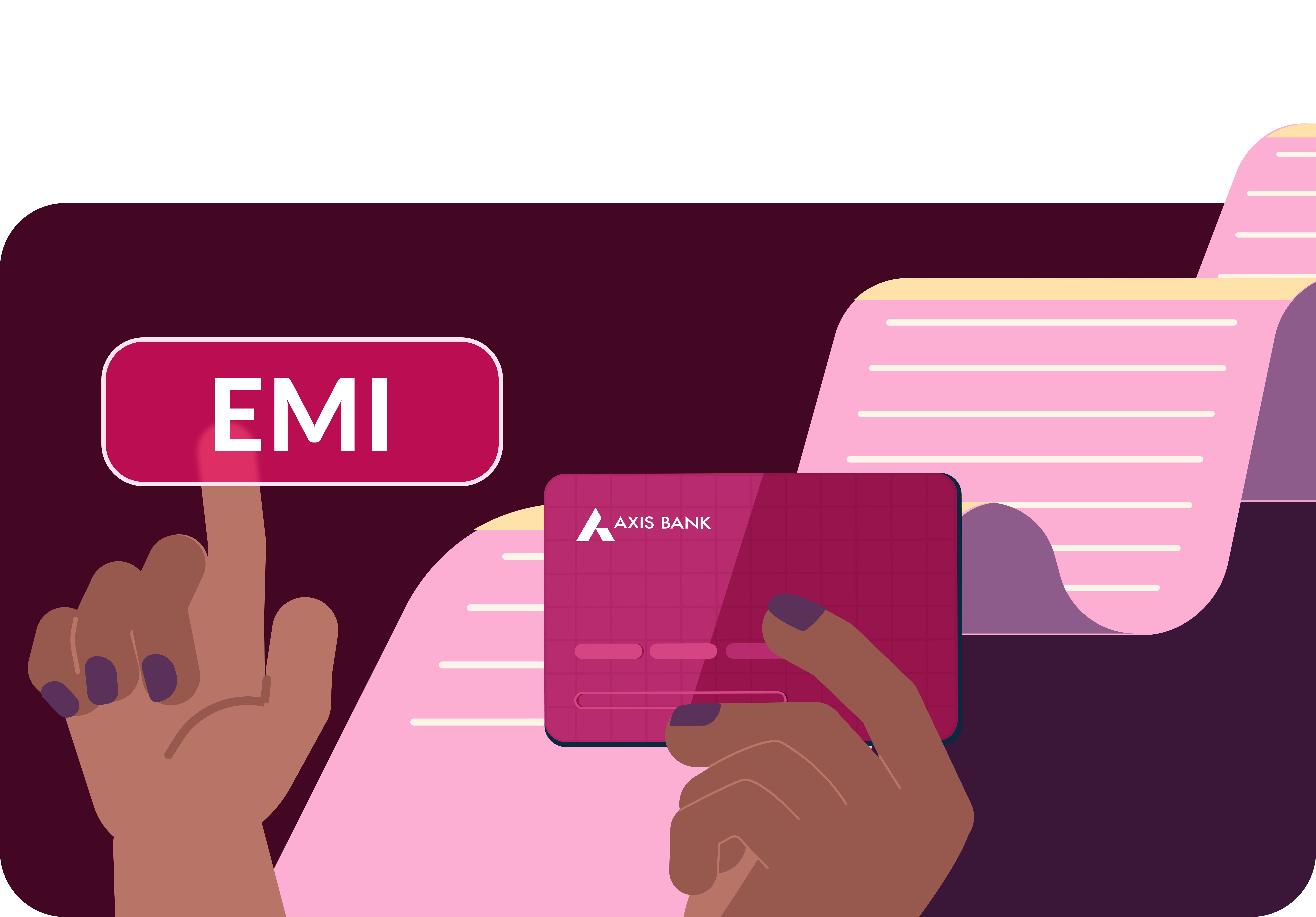
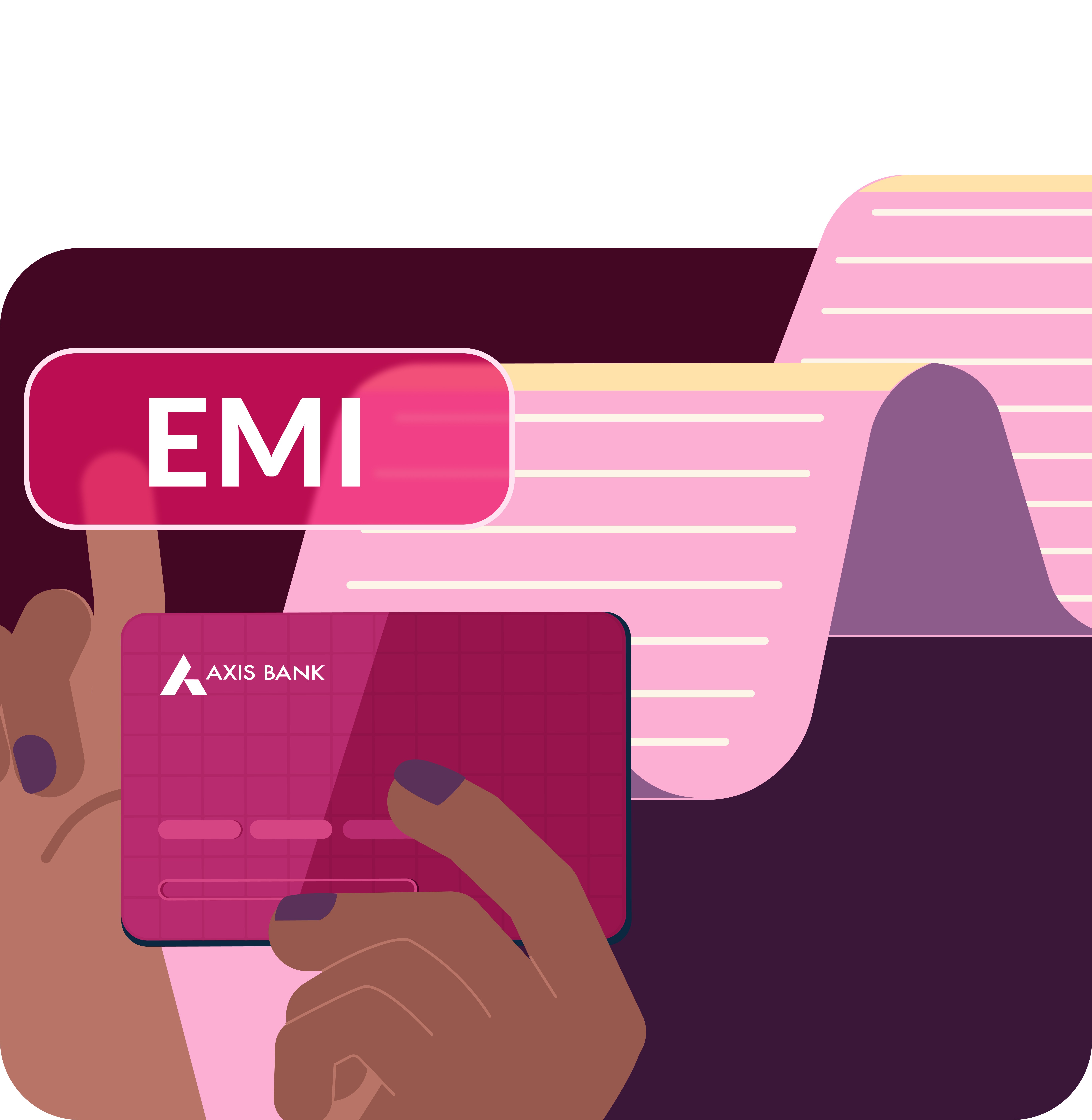
Every meeting I could get myself into, every conversation where I laid down the design perspective backed with user research, helped me carve a space for our voice in business decisions. In a culture of quick fixes and symptom-chasing, I walked in with prototypes, side-by-side journeys, and simple data stories. “Here’s where trust leaks in upgrades. Here’s how EMI choices overload the mind. Here’s a clearer repayment model.” Once leaders could see it, design stopped being the last mile. We were pulled upstream; into requirement framing, RBI interpretation, and trade-off calls; because the risk of not doing so was now visible (EMI Redesign → +60% conversions; Upgrade Card Flow → +18%; Festive Updates increasing revenue by ₹1,112 Cr+).
Show and Tell
At Axis, business, tech, and product needed to see to believe; so I stopped hesitating for approvals and got hands-on. I mapped the end-to-end journeys, prototyped the fix, and conducted quick user testing sessions. Then I ran before/after walkthroughs with click-through demos, so the gaps were undeniable. That show-and-tell got the right people in a room, turned reviews into working sessions, and earned design its seat at the decision-making table. From there, I led rollout across adjacent flows, codified the patterns for engineering, and kept a live voice-of-customer loop with ongoing usability tests and post-launch analytics; so trust didn’t just spike once, it compounded.
Taking Initiative rather than being Delegated to
My work at Axis Bank culminates into a simple stance I carry forward: design is a process, not an outcome. My job is not to decorate decisions already made; it’s to make better decisions, earlier; by turning ambiguity into evidence, pulling design upstream, and creating patterns that compound value even after the pixels ship.
BACK TO ALL WORK